Sticker shock usually hits when a homeowner gets the second or third estimate and realizes the roof replacement cost for house projects can vary by thousands, not hundreds. That gap is not random. It reflects material quality, roof complexity, labor standards, warranty coverage, and whether the proposal is built for long-term protection or just a fast install.
For Bay Area homeowners, a roof is more than a cosmetic upgrade. It protects one of your largest investments from heat, wind, seasonal rain, ventilation issues, and hidden structural damage. A lower number on paper can look attractive, but the real cost is measured over decades, not just on signing day.
What affects roof replacement cost for house projects
The biggest driver is roof size, but size alone does not tell the full story. Two homes with similar square footage can have very different roofing costs if one has multiple valleys, steep slopes, skylights, chimneys, or layered tear-off conditions. Complexity adds labor time, safety demands, and installation detail.
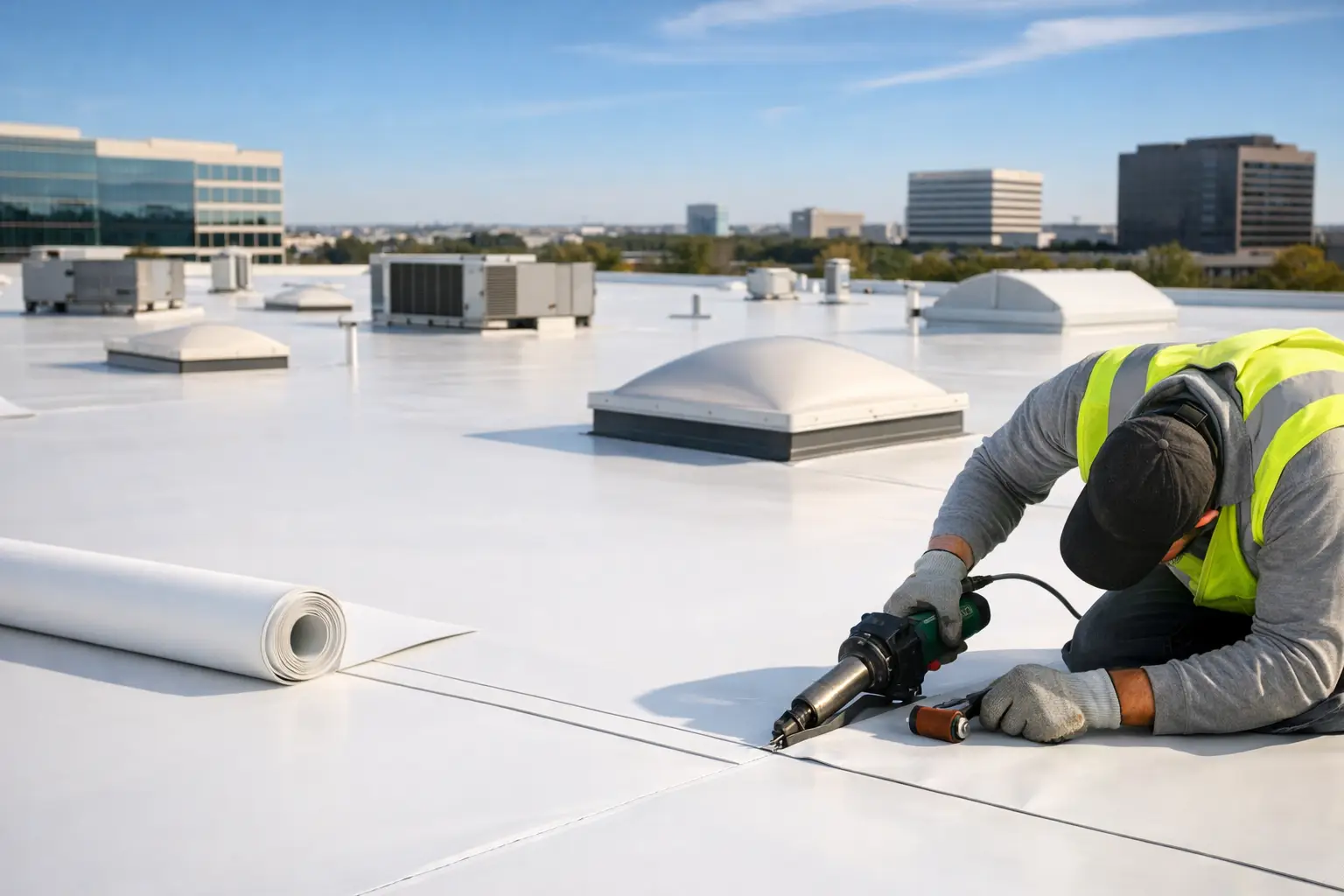
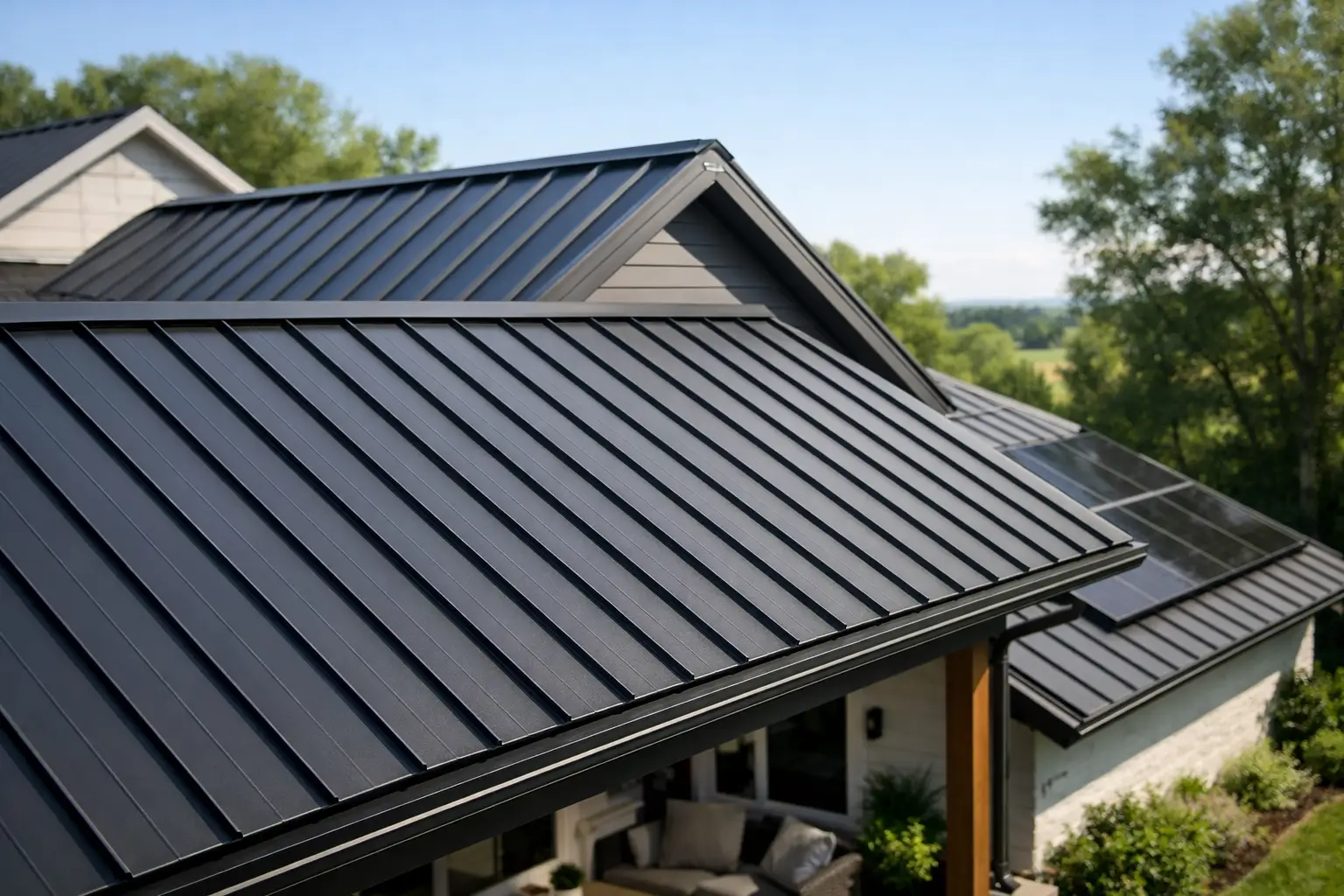
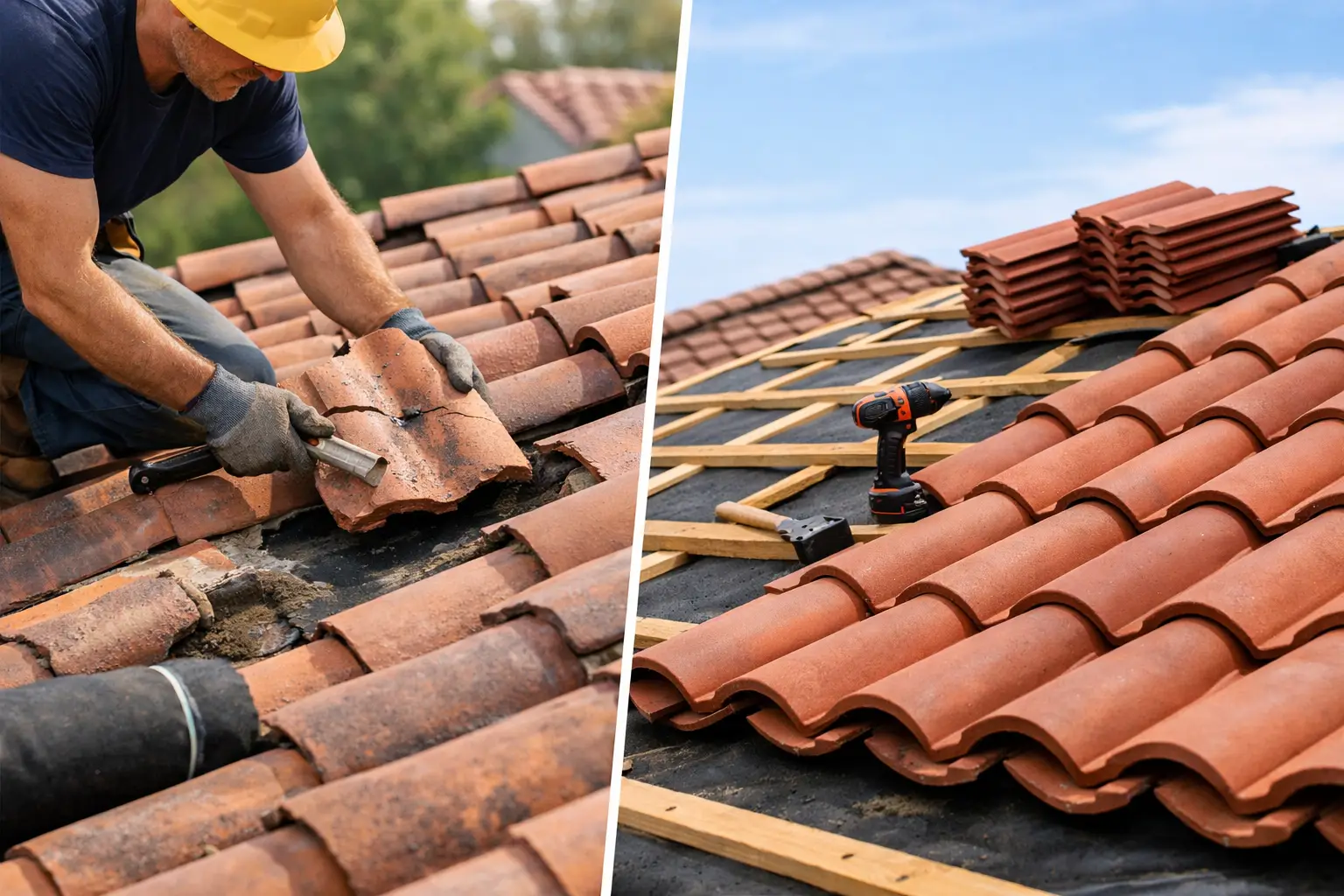
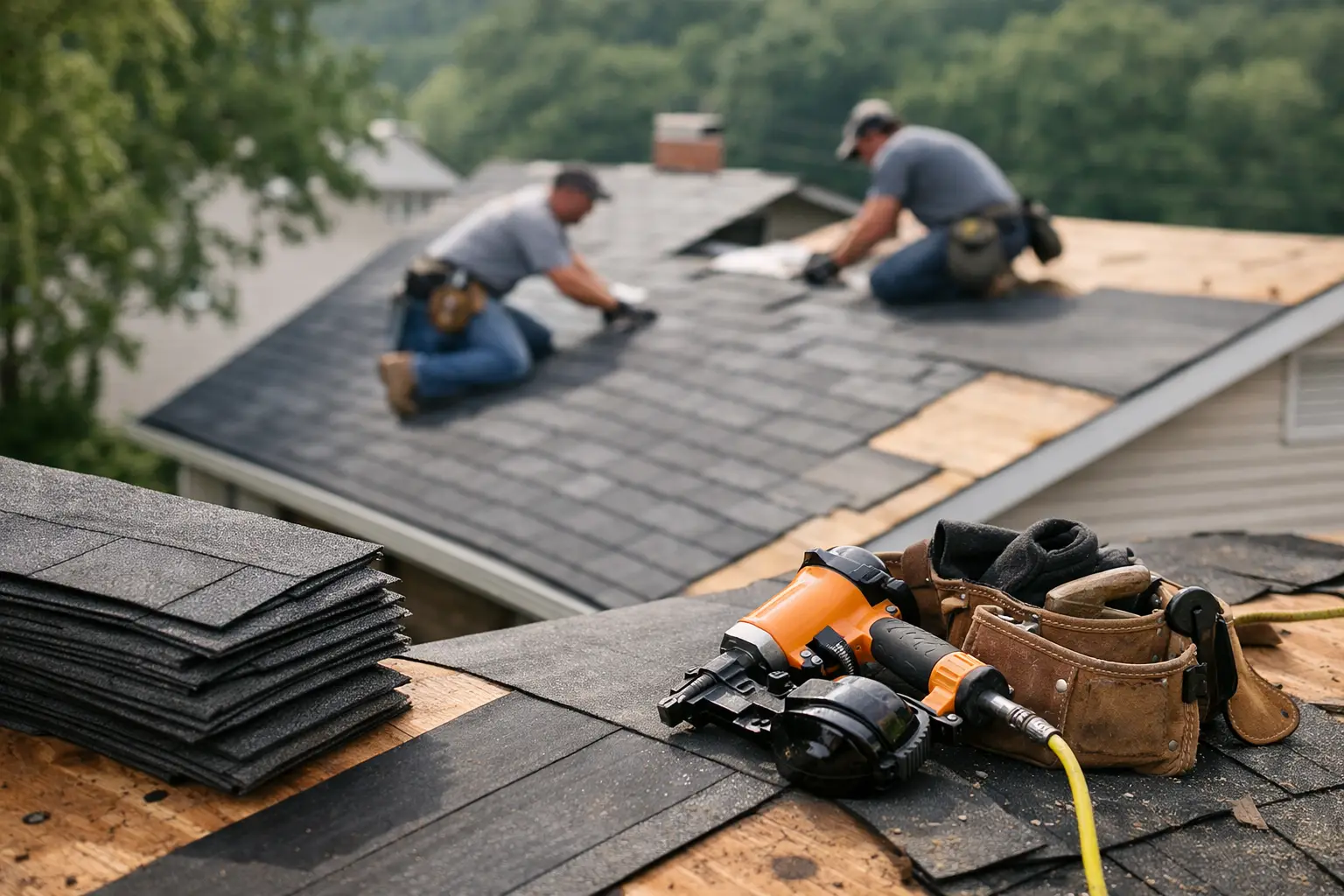
Material choice is another major factor. Asphalt shingles are usually the most accessible starting point and can deliver solid performance when installed correctly. Tile roofing carries a higher upfront investment, but many homeowners choose it for longevity, fire resistance, and a strong architectural look. Metal roofing often costs more at installation yet can offer excellent lifespan, energy performance, and durability. Flat and low-slope sections may call for systems like TPO or torch down, which involve their own installation methods and pricing structure.
Then there is the condition beneath the roof. Once old materials come off, damaged decking, deteriorated fascia, ventilation deficiencies, or water intrusion may be uncovered. That work is not always visible during an initial walkaround. A thorough estimate should explain what is included, what is assumed, and how concealed damage would be handled if discovered during the project.
Typical price ranges homeowners should expect
National averages can be helpful for rough context, but they often fall short in high-cost regions. In the Bay Area, labor, permitting, disposal, insurance requirements, and code-compliant installation standards tend to push pricing above many online calculators.
For a standard single-family home, asphalt shingle replacement may start in the lower five figures and move upward based on roof design, access, and product grade. Tile and metal systems often climb substantially from there. If a home has multiple stories, limited access for material delivery, or extensive dry rot repair, the total can rise quickly.
That is why homeowners should be cautious with broad pricing claims like cost per square foot without context. Roofing is not flooring. A roof has penetrations, flashing transitions, underlayment systems, intake and exhaust ventilation, edge metal, and waterproofing details that determine whether the assembly performs under pressure.
Why estimates can vary so much
When one contractor comes in far below the others, there is usually a reason. Sometimes the proposal excludes disposal, permits, upgraded underlayment, or essential flashing replacement. Sometimes it assumes minimal deck repair without addressing what happens if the wood substrate is compromised. In other cases, the crew size, supervision level, insurance coverage, or workmanship standards are simply not equivalent.
A premium roof replacement should include more than new surface material. It should account for the full system – tear-off, inspection of the decking, underlayment, flashing, ventilation, edge protection, cleanup, and a clear workmanship commitment. That is the difference between buying a roof and investing in a roofing system built to protect your most valuable asset.
Transparent estimating matters here. A serious contractor should be able to explain why one shingle line costs more than another, why ventilation upgrades may be necessary, and how warranty terms differ based on the installation method and materials selected.
Material choices and how they change the total
Asphalt shingles remain popular because they balance cost, appearance, and dependable performance. They fit many home styles and can be installed efficiently, but product tier matters. Entry-level shingles and premium architectural shingles are not priced the same, and neither are their expected service lives.
Tile roofing often makes sense for homeowners focused on longevity and curb appeal. It performs well in California climates and can hold its visual value for years, but the weight of tile may require structural review, and labor is more specialized. Repairs can also be more technical than many people expect.
Metal roofing is often chosen by owners who want long-term durability and a clean, high-performance finish. It can resist weather well and reflect heat depending on the system, but it demands precision in fabrication and installation. Poor detailing on a metal roof can undermine an otherwise premium material.
If your home has low-slope areas, those sections may require TPO or torch down systems rather than steep-slope materials. This is one reason roof replacement pricing can feel difficult to compare from house to house. The right system depends on slope, drainage, exposure, and building design.
The Bay Area factors that raise roofing costs
Local conditions matter. In San Jose and across the Bay Area, roofing projects often involve higher labor costs, stricter permit processes, and greater expectations around code compliance. Dumpster logistics, neighborhood access, HOA requirements, and disposal fees can all affect the final number.
Many homes also have aging roof assemblies that were installed under older standards. During replacement, upgrades may be needed for ventilation, flashing, underlayment, or insulation coordination. These are not cosmetic extras. They are part of improving system performance and reducing future risk.
Homes near trees, exposed hillsides, or high sun exposure may need a more durable specification than a simple budget roof. That can mean better underlayment, enhanced flashing protection, or premium materials chosen for lifespan rather than just lower upfront cost.
Repair or replacement – when replacement is the smarter investment
Homeowners often ask whether patching a roof buys enough time to delay the larger expense. Sometimes it does. If the issue is isolated and the roof still has healthy life left, a targeted repair can be a sound short-term decision.
But if the roof is near the end of its service life, has recurring leaks, widespread granule loss, failing flashing, or visible sagging and deterioration, repeated repairs can become the more expensive path. Spending several thousand dollars across multiple service visits on an aging system rarely delivers the protection of a full replacement.
A well-timed replacement can also help avoid secondary damage inside the home. Water intrusion does not stay in one place. It can affect insulation, drywall, framing, paint, and even indoor air quality over time.
How to compare quotes the right way
A strong estimate should be detailed, not vague. You want to know exactly what materials are being installed, whether old layers are being removed, what underlayment and flashing are included, how ventilation is being addressed, and who is supervising the work.
It is also smart to look at the protections behind the price. Is the contractor properly insured? Is there a clear workmanship warranty? Is the proposal written in a way that explains potential change orders if hidden damage is found? Those details reduce risk long before the first shingle is removed.
Founder-led oversight and disciplined project management can make a real difference on high-value exterior work. Precision matters in roofing because small installation shortcuts can create expensive failures later.
Budgeting for the full project, not just the roof surface
When planning for roof replacement cost for house upgrades, homeowners should think beyond the visible roofing material. Gutters may need replacement if they are undersized or deteriorated. Insulation or ventilation improvements may be recommended to support energy performance and extend roof life. Skylight replacement or chimney flashing work may be best handled during the same project rather than after the new roof is already in place.
Insurance can also play a role in some cases, especially after storm damage or sudden events. If a claim is involved, documentation and scope clarity become even more important. The goal is to make sure the work performed actually restores protection, not just satisfies the minimum line items.
At Titanium Roof Innovations, that level of clarity is part of The Titanium Standard – durable systems, transparent estimating, and workmanship built for long-term accountability.
What a higher-quality roof really buys you
A better roof is not just a nicer-looking top layer. It can mean fewer leak risks, stronger weather resistance, better attic airflow, improved energy efficiency, and more confidence when heavy rain arrives. For many homeowners, it also supports resale value because buyers pay attention to roofing age and condition.
The cheapest roof is often the one that needs attention again too soon. A properly installed system with premium materials, clear warranty coverage, and experienced oversight usually delivers better value over time, even when the upfront investment is higher.
If you are pricing a roof replacement, ask one practical question before focusing on the bottom line: what level of protection do you want over your home for the next 20 to 50 years? That answer usually points you toward the right investment.