A roof starts costing you long before it fails. It costs you in repairs, in rising cooling bills, in maintenance calls, and in the quiet risk of water getting where it should never be. That is why standing seam metal roof benefits matter to homeowners and property owners who are thinking beyond the next season and looking at long-term protection.
Standing seam is not just a style choice. It is a high-performance roofing system built for durability, weather resistance, and clean architectural lines. For the right property, it can deliver decades of service with less upkeep than many traditional roofing materials. But like any premium system, the real value depends on proper design, proper installation, and whether it fits the structure itself.
What makes standing seam metal roofing different
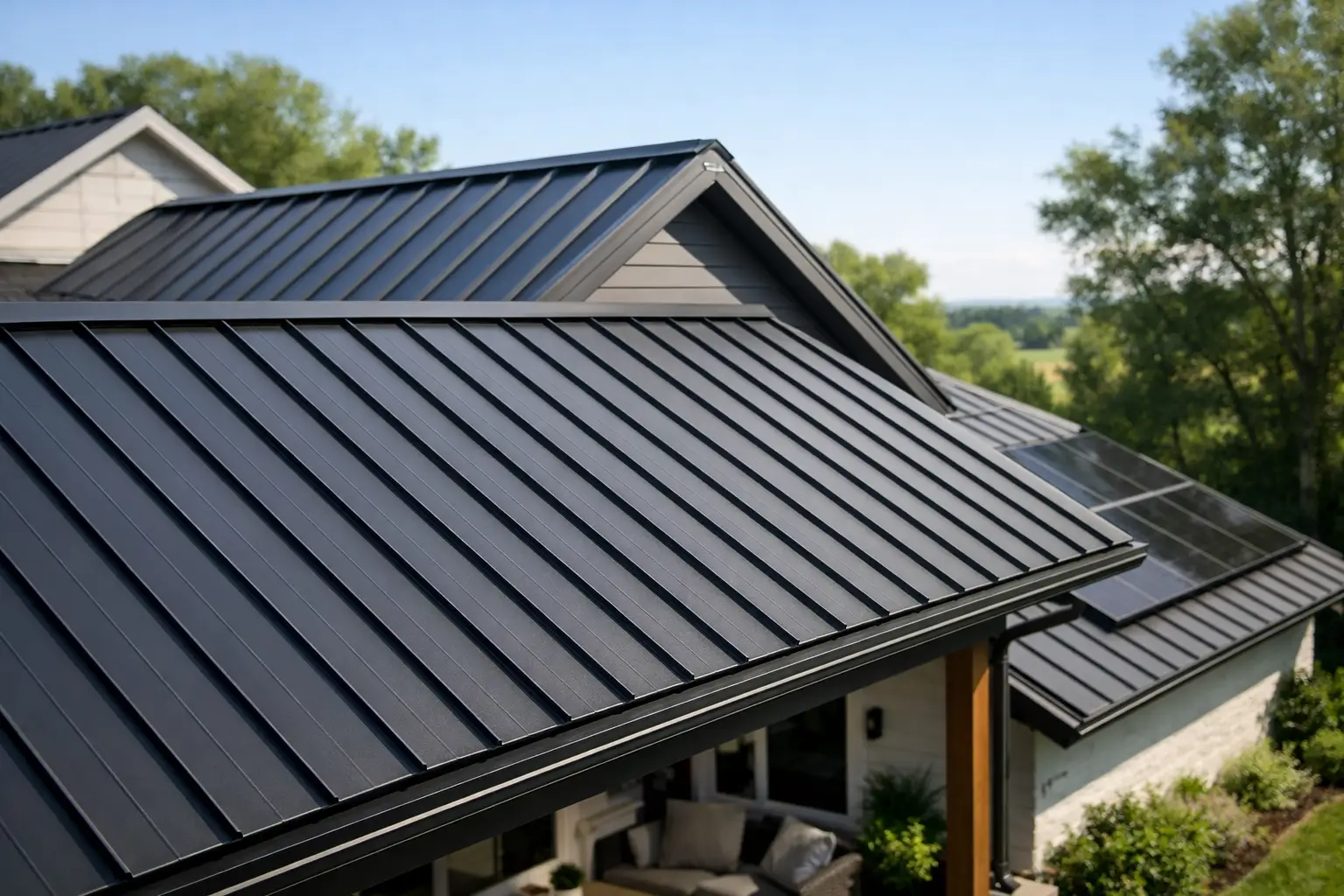
A standing seam roof uses vertical metal panels with raised seams that lock together above the flat surface of the panel. That detail matters. Because the fasteners are typically concealed beneath the seams rather than exposed on the surface, the roof has fewer vulnerable points where water can work its way in over time.
This design creates a cleaner finished look, but the performance advantage is the bigger story. Exposed-fastener metal roofs can still serve a purpose, especially on certain agricultural or budget-driven projects, but they generally require more attention as washers age and fasteners loosen with expansion and contraction. Standing seam systems are engineered to reduce those weaknesses.
For residential homes, that often means stronger curb appeal paired with better long-term reliability. For commercial buildings, it can mean a more durable roof assembly with lower lifecycle maintenance demands.
The most important standing seam metal roof benefits
When people compare roofing systems, the conversation often starts with price. That is understandable, but it should not end there. The strongest standing seam metal roof benefits show up over time.
Long service life
One of the biggest reasons owners choose standing seam metal is longevity. A properly installed system made from quality materials can last several decades, often outlasting asphalt shingles by a wide margin. That longer lifespan can shift the value equation significantly, especially if you plan to stay in the property or want to reduce future replacement cycles.
The key phrase there is properly installed. Metal roofing is less forgiving than many people assume. Panel layout, clip spacing, underlayment, flashing details, and expansion planning all affect how the system performs year after year.
Strong weather resistance
A standing seam roof is built to shed water efficiently. The raised seams help channel water downward, and the concealed-fastener design limits direct exposure at common leak points. In areas that see seasonal rain, wind, and temperature swings, that matters.
Metal roofing also performs well against fire exposure, which is a major consideration in many parts of California. Impact resistance can be another advantage, depending on the panel profile and gauge selected. Still, weather performance is not just about the panel. It depends on the full roofing assembly, including flashing, penetrations, transitions, and ventilation.
Lower maintenance over time
No roof is maintenance-free, and any contractor who says otherwise is oversimplifying the job. But standing seam systems typically require less routine attention than many other roofing materials. With fewer exposed fasteners and durable metal surfaces, there are fewer parts aging directly in the weather.
That does not eliminate the need for inspections. Sealants, flashing areas, and roof penetrations should still be checked periodically, especially after major storms or if nearby trees create debris buildup. Still, compared with systems that are more vulnerable to granular loss, cracking, or repeated fastener issues, standing seam often reduces the maintenance burden.
Energy efficiency potential
Metal roofs are often associated with energy savings, and that can be true, especially when reflective coatings or lighter colors are used. A standing seam metal roof can help reduce heat absorption and improve solar reflectance, which may lower cooling demand during hot weather.
In the Bay Area, where microclimates vary and sun exposure can be intense, that benefit can be meaningful. However, energy performance depends on more than the roof panel itself. Insulation levels, attic ventilation, roof color, and the building envelope all play a role. The roof can contribute to efficiency, but it should be evaluated as part of the whole system.
Clean, high-end appearance
Some roofing materials look acceptable from the street. Standing seam tends to look intentional. The straight vertical lines, tailored panel layout, and crisp edges create a more refined appearance that fits both modern and traditional architecture when designed well.
That visual impact matters for homeowners protecting property value and for commercial owners who want a cleaner, more professional exterior. A premium roof should not only perform under pressure. It should also elevate the structure it protects.
Where standing seam metal roofing delivers the most value
Standing seam is often an excellent fit for owners who think in terms of lifecycle cost rather than just upfront price. If you are replacing a roof on a forever home, upgrading a higher-value property, or improving a building you plan to hold for years, the investment can make strong financial sense.
It also performs well on properties where low slope transitions, wind exposure, or long-term maintenance concerns make roofing reliability a priority. For many commercial applications, the strength of the system is not just longevity. It is predictability. Fewer recurring issues can mean fewer disruptions and fewer surprise expenses.
For homeowners, there is also peace of mind in choosing a system known for durability. That confidence is worth something when the roof over your head protects your family, your finishes, and the overall value of the home.
Trade-offs to understand before you choose one
Premium roofs come with premium considerations. Standing seam metal usually costs more upfront than asphalt shingles, sometimes significantly more depending on panel type, substrate preparation, roof complexity, and trim details. If your decision is based only on initial bid price, it may not be the best fit.
Noise is another topic people ask about. In most properly assembled residential systems with solid decking and underlayment, rain noise is far less dramatic than people expect. Still, assembly matters. A poorly built roof can sound different than a well-built one.
Expansion and contraction also need to be respected. Metal moves with temperature changes, and the system has to be detailed to accommodate that movement. This is one reason installer experience matters so much. A premium material installed without precision can underperform.
Finally, not every home is an ideal candidate. Roof geometry, surrounding trees, existing structure, neighborhood aesthetic expectations, and budget all influence whether standing seam is the right call.
Why installation quality matters as much as the material
The best metal panel in the world cannot compensate for careless workmanship. Standing seam roofing demands accurate measurements, disciplined fabrication, precise flashing, and a clear understanding of how water behaves at every transition point.
That is especially true around chimneys, skylights, valleys, wall intersections, and rooftop equipment. These are the areas where shortcuts reveal themselves later. A roof system should be installed with the mindset that every detail either protects the structure or becomes a future problem.
This is where a contractor’s process matters. Clear estimating, system-specific experience, and hands-on quality control are not marketing extras. They are risk reduction. Property owners making a major roofing investment should expect that level of accountability.
Is a standing seam roof right for your property?
If your priorities are durability, clean design, long-term value, and reduced maintenance risk, the answer may be yes. Standing seam often makes the most sense for owners who want a roof built to perform for decades rather than a system selected purely for short-term savings.
If your roof has complex lines, multiple penetrations, or structural issues that need correction first, the decision may require a more careful evaluation. The right contractor will not force a metal system where it does not belong. They will assess the slope, decking condition, ventilation, drainage, and surrounding conditions before making a recommendation.
For many Bay Area properties, especially those where owners care about performance as much as appearance, standing seam can be a smart long-term upgrade. The value is not only in how it looks on day one. It is in how it protects year after year.
Titanium Roof Innovations approaches roofing with that standard in mind – premium materials, precise execution, and a commitment to protecting the asset beneath the roofline.
A good roof should do more than cover a building. It should reduce uncertainty, strengthen value, and let you stop worrying about what happens the next time the weather turns.