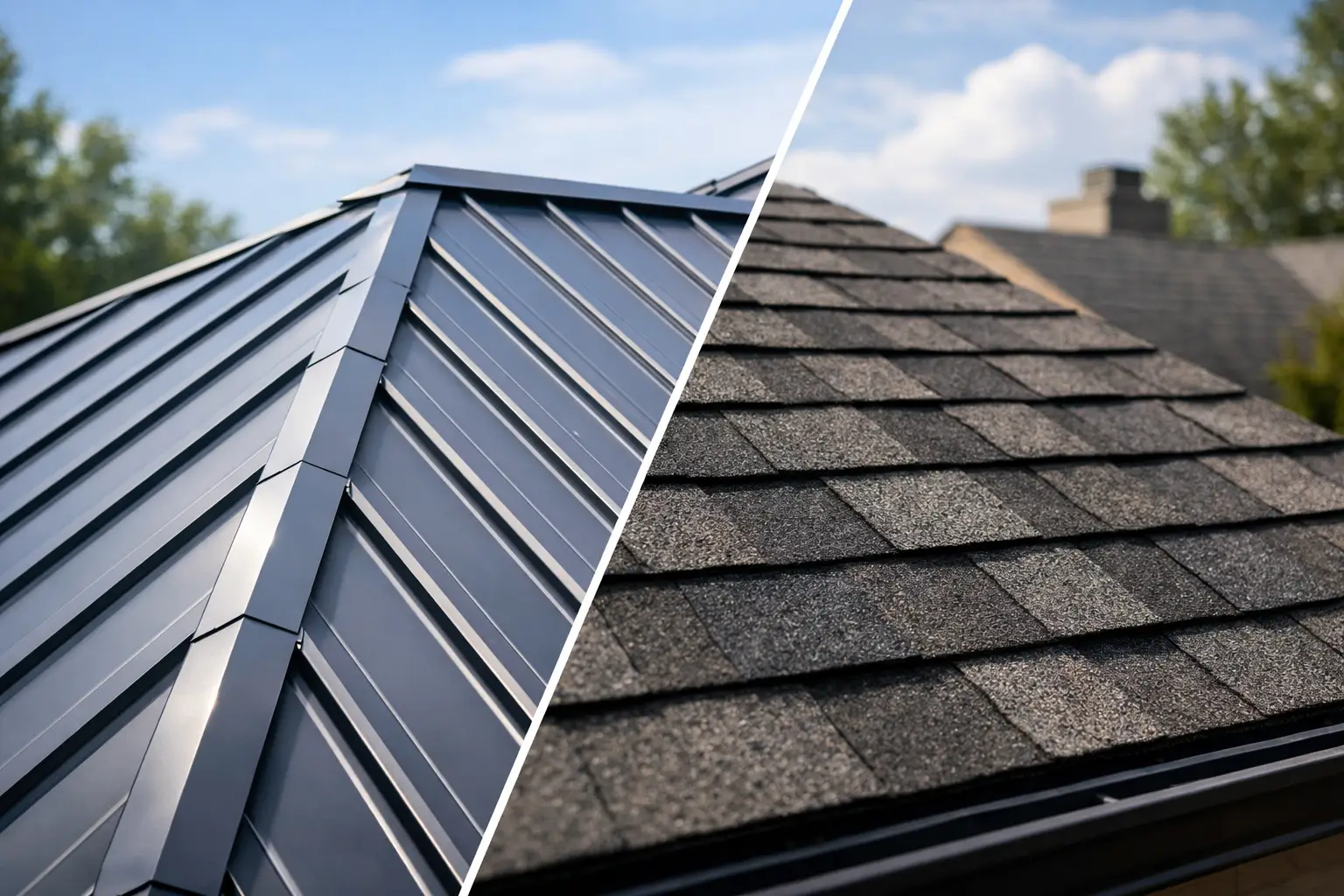
If your roof is nearing the end of its life, the choice between metal vs shingle roofs is not a cosmetic detail. It affects how your property handles heat, rain, wind, maintenance, resale value, and long-term cost. For Bay Area owners in particular, where sun exposure, seasonal storms, and property values all raise the stakes, this decision deserves a clear-eyed comparison.
Metal vs Shingle Roofs: The Real Difference
At a glance, asphalt shingles usually win on upfront price, while metal roofing leads on lifespan and performance. That is the simple version. The better version is this: the right roof depends on how long you plan to keep the property, how much maintenance risk you are willing to accept, and whether you are optimizing for immediate budget or long-term protection.
Shingle roofs are the most common residential choice in the US because they are familiar, versatile, and cost-effective. A quality shingle system can look sharp, protect well, and make sense for homeowners who want a strong result without stretching the initial investment too far.
Metal roofs sit in a different category. They are premium systems built for durability, energy performance, and extended service life. The upfront investment is higher, but the value story changes when you look at decades instead of a single project invoice.
Upfront Cost vs Lifetime Value
For many property owners, the first question is price. Asphalt shingles almost always cost less to install than metal roofing. Material costs are lower, labor is generally more straightforward, and the system is widely available. If you need a full roof replacement now and budget control is the top priority, shingles often make the most practical sense.
Metal roofing requires a higher initial investment because the materials are more expensive and installation demands precision. Panel alignment, flashing details, trim work, fastening methods, and ventilation strategy all matter. This is not where corners should be cut.
Where metal starts to pull ahead is over time. A properly installed metal roof can last significantly longer than a standard shingle roof. That can mean fewer replacements over the life of the property, fewer disposal costs, and less disruption. If you plan to stay in your home for decades or you own a property where long-term asset protection matters, the math can shift in metal’s favor.
Lifespan and Durability
This is usually where the gap becomes clear. Asphalt shingles can perform well, but they are still a shorter-life system compared with metal. Exposure to UV radiation, temperature swings, wind uplift, and aging granules all wear on a shingle roof over time.
Metal roofing is built to take more punishment. It resists cracking, shrinking, and many of the age-related issues that affect shingles. High-quality metal systems also perform very well in wind and can hold up impressively when installed with disciplined craftsmanship.
That said, not all metal roofs are equal, and not all shingle roofs are equal. Product grade matters. Underlayment matters. Flashing details matter. Most of all, installation quality matters. A premium roofing material installed poorly will underperform a good material installed correctly.
Energy Efficiency and Heat Performance
In sunny climates, roof performance is not just about keeping water out. It is also about how the building handles heat. This is one area where metal often has a measurable advantage.
Metal roofing can reflect more solar radiation than traditional asphalt shingles, especially when paired with reflective coatings or lighter color selections. That can help reduce heat gain and ease the load on cooling systems. For homeowners trying to improve energy efficiency or commercial owners watching operating costs, that benefit is worth serious attention.
Shingles have improved over the years, and there are energy-efficient options available. But in a direct comparison, metal usually offers stronger heat-reflective performance. In a market like San Jose, where warm weather and sun exposure are part of the equation, that can support both comfort and long-term efficiency.
Appearance and Architectural Fit
Curb appeal matters, especially when your roof covers a large percentage of what people see from the street. Shingle roofs remain popular because they work with almost any home style. They offer a familiar, textured look and come in many colors and profiles. For traditional residential architecture, shingles often feel like the natural fit.
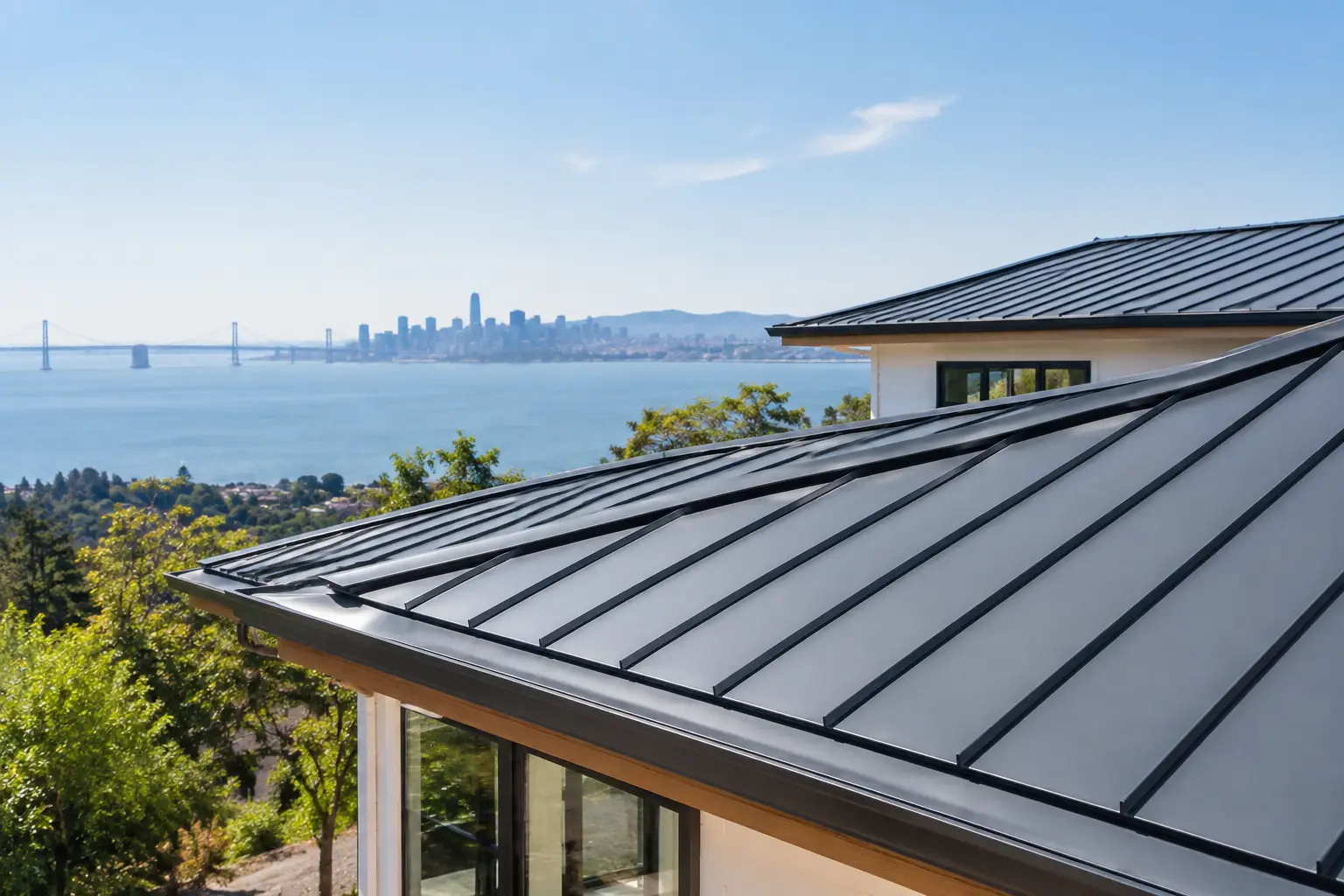
Metal roofing has a more distinctive visual identity. It can look clean, sharp, and highly refined. On the right home or commercial building, it delivers a premium appearance that stands out for the right reasons. Modern farmhouse, contemporary, custom residential, and some commercial properties pair especially well with metal.
The trade-off is that metal is more design-forward. Some owners love that. Others prefer the classic appearance of shingles. Neither is automatically better. The goal is to match the roof to the structure, the neighborhood, and the level of finish you want the property to communicate.
Repairs, Maintenance, and Risk
Shingle roofs are generally easier and less expensive to repair in isolated areas. If a section is damaged, individual shingles can often be replaced without major disruption, assuming the existing roof is still in serviceable condition and matching materials are available.
Metal roofs tend to need less routine intervention over time, but when repairs are needed, they should be handled by someone who understands the system. Panel-based roofing is less forgiving of improvised fixes. Incorrect fasteners, poor flashing integration, or careless foot traffic can create problems that did not exist before.
This is where contractor quality becomes a major factor in the metal vs shingle roofs debate. The lower-maintenance promise of metal only holds up when the roof is designed and installed correctly from the beginning. The same is true of shingles, but the margin for error is often tighter with metal details.
Noise, Weather, and Everyday Comfort
A common concern is whether metal roofs are noisy in the rain. In a properly built roofing system with solid decking and insulation, the difference is often smaller than people expect. Metal should not sound like a barn roof if the assembly is designed correctly.
Weather resistance is another point worth separating from marketing claims. Both systems can perform well in rain and wind when installed properly. Metal often has the edge in severe weather resilience, while shingles remain a reliable choice for many properties when high-quality products and correct installation practices are in place.
For day-to-day comfort, attic ventilation and insulation matter almost as much as the roofing material itself. A bad ventilation plan can undermine either system.
What Makes More Sense for Your Property?
If you are looking for the lower upfront investment, want a proven and attractive residential option, and expect to replace the roof again later in the property’s life cycle, shingles are often the right call. They are practical, versatile, and effective when the system is built with quality materials and proper installation standards.
If you want a longer-term roofing solution, value energy performance, and prefer to invest once in a system built for extended durability, metal is hard to ignore. It is especially compelling for owners who think in terms of life-cycle value rather than just project cost.
Commercial owners and investors often lean toward metal for that reason. Homeowners planning to stay put for many years may as well. On the other hand, if the home’s style, neighborhood expectations, or current budget point toward shingles, that choice can still be the right professional recommendation.
The Better Roof Is the One Installed Right
The most expensive roof is the one that fails early. That is why the material decision is only half the job. Underlayment selection, flashing details, ventilation, fastening methods, drainage planning, and workmanship determine whether a roof performs the way it should.
A disciplined contractor will not push one product on every property. They will look at the structure, slope, exposure, budget, and long-term goals, then explain the trade-offs clearly. That level of transparency matters more than a sales pitch.
For owners who want uncompromising quality and a roof built to protect their most valuable asset, the smartest next step is not choosing a material in isolation. It is getting a detailed evaluation from a contractor who can show you how each system would perform on your specific property. The right answer is rarely the cheapest one on paper. It is the one you can trust for years after the crews are gone.