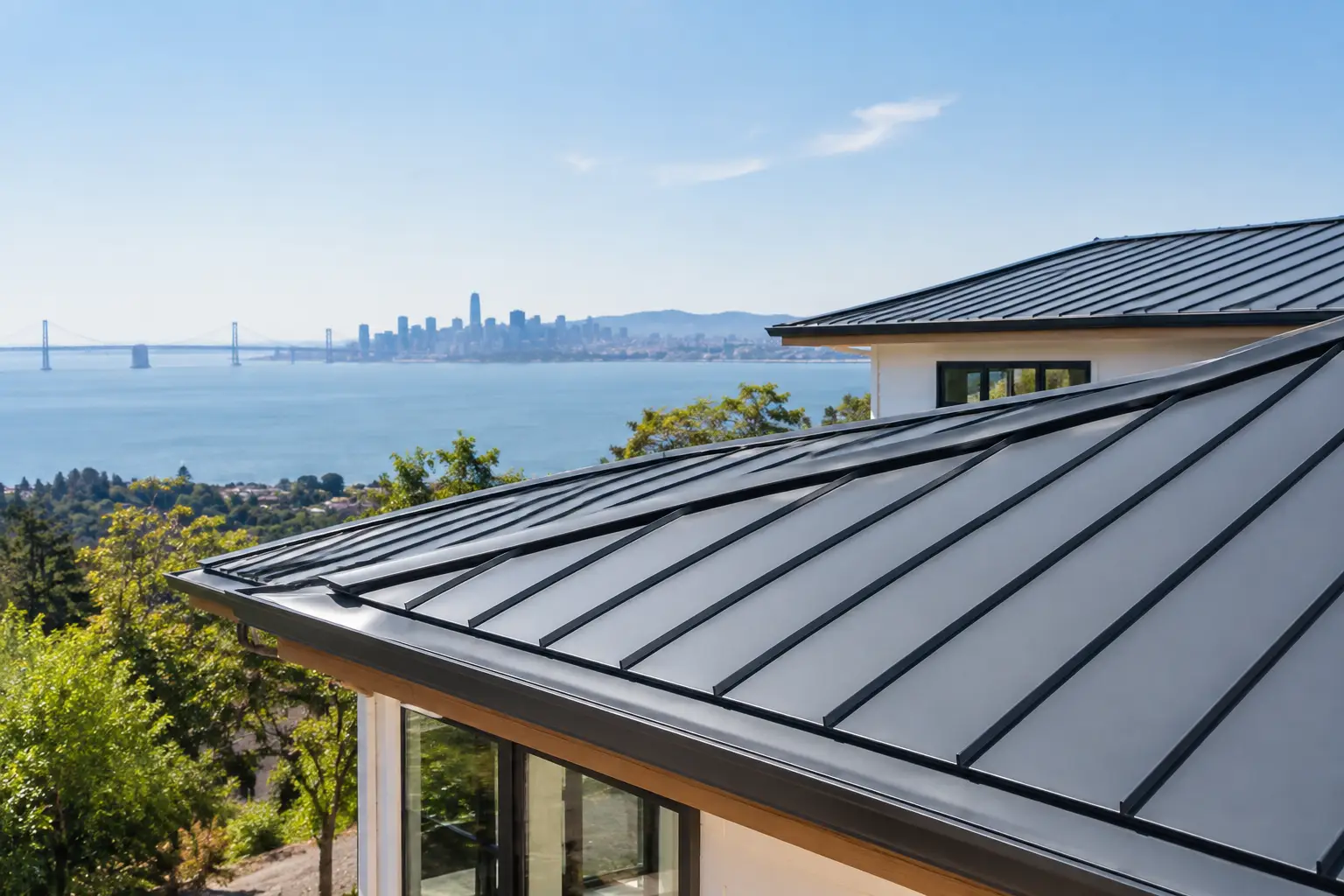

A roof problem rarely announces itself at a convenient time. It shows up as a ceiling stain after a hard rain, shingles in the yard after wind, or that nagging sense that the roof at the top of your biggest investment is simply getting old. When that moment comes, choosing the right residential roofing contractor is less about finding the lowest bid and more about protecting your home, your budget, and your peace of mind.
For most homeowners, roofing is not a frequent purchase. That makes it easy to compare quotes line by line and miss the factors that actually determine long-term performance. A roof is a system, not just a surface. Materials matter, but installation quality, ventilation, flashing details, waterproofing strategy, and jobsite accountability matter just as much.
What a residential roofing contractor should actually provide
A qualified residential roofing contractor does far more than install shingles. The right contractor evaluates the full condition of the roofing system, identifies weak points, explains practical options, and recommends solutions based on the age of the home, roof design, climate exposure, and long-term goals.
That can include full roof replacement, targeted repairs, insulation improvements, and in some cases restorative coatings or ventilation corrections. If a contractor only talks about the visible outer layer, that is usually a sign the conversation is too narrow. A premium result comes from understanding how water moves, where heat builds up, and which components are most likely to fail first.
Homeowners also deserve clarity about process. You should know who is supervising the work, how the property will be protected during tear-off, what the timeline looks like, and how unexpected deck damage or structural issues will be handled if they are uncovered.
How to judge a residential roofing contractor before you sign
The strongest contractors create confidence before the first shingle is removed. They do it through documentation, communication, and the way they approach inspection and estimating.
Licensing, insurance, and risk protection
At a minimum, verify that the contractor is properly licensed and carries liability insurance. Workers’ compensation matters too. Roofing is high-risk work, and homeowners should not be left exposed because a contractor cut corners on coverage.
For larger projects, added protections such as contract performance bond backing can signal a higher level of accountability. Not every homeowner asks about this, but it is a smart question, especially when the investment is significant.
Detailed estimating instead of vague pricing
A trustworthy estimate should explain what is included, not just present a total. You want to see the scope of work, material type, underlayment, flashing details, ventilation adjustments if needed, tear-off expectations, cleanup, and warranty terms.
A low number without detail is often expensive later. It may leave out critical components that become change orders once the work begins. Transparent estimating is not just a sales habit. It reflects how the project will be managed from start to finish.
Clear answers to practical questions
A strong contractor should be able to explain why one roofing system fits your home better than another. That might mean architectural shingles for balanced value, tile for longevity and appearance, metal for durability and energy performance, or a flat-roof solution such as TPO or torch down for low-slope sections.
The quality of the explanation matters. If every homeowner gets the same recommendation regardless of roof style, budget, or performance goals, that is a warning sign. Good roofing advice is specific.
Materials are important, but installation decides the outcome
Many homeowners spend a lot of time comparing brands and colors. That is understandable. Curb appeal matters, and premium materials can absolutely improve service life. Still, the most important question is whether the system will be installed with precision.
Flashing around chimneys, skylights, valleys, walls, vents, and transitions is where many failures begin. So is poor edge detailing. So is bad ventilation planning. A roof can look finished from the street and still be vulnerable where you cannot see it.
This is where founder-led or closely supervised craftsmanship makes a real difference. The best contractors do not leave quality control to chance. They inspect the details that prevent leaks years after the crew leaves. That level of oversight is especially valuable on higher-end homes, older structures, and roofs with multiple penetrations or complex geometry.
Repair or replacement depends on the real condition of the roof
One of the most important tests of integrity is whether a contractor recommends the right scope. Not every roof needs replacement. Not every roof can be saved with a repair.
A good contractor will explain the trade-off. If the issue is isolated and the surrounding roof still has healthy life left, a repair may be the responsible answer. If the roof is approaching the end of its service life, has repeated leaks, failing underlayment, or widespread deterioration, replacement is often the better financial decision.
This is especially true when homeowners are spending money repeatedly without solving the root problem. Short-term fixes can become the expensive option when they delay necessary work and allow damage to spread into decking, insulation, or interior finishes.
Warranties matter, but only if the contractor stands behind them
Homeowners often hear big warranty numbers, but warranty language alone is not enough. You need to understand who is backing what.
Manufacturer warranties typically cover material defects under specific conditions. Workmanship warranties cover installation quality. Both have value, but neither means much if the installing contractor is difficult to reach, vague about coverage, or unwilling to address problems directly.
A contractor who leads with long-term protection should be able to explain the warranty in plain terms. What is covered, for how long, and what situations are excluded? Confidence is built when those answers are clear and direct.
The Bay Area adds its own roofing demands
In the Bay Area, roofing decisions are shaped by more than rain. Sun exposure, temperature swings, coastal moisture in some zones, and older housing stock all affect performance. A roof that handles one neighborhood well may need a different approach in another.
That is why local experience matters. Homes in and around San Jose often have aging roofs, mixed ventilation conditions, and retrofit histories that only become obvious during inspection. A contractor with regional experience is more likely to identify those hidden variables before they become expensive surprises.
Material selection also depends on the home. Some properties need aesthetic alignment with tile or dimensional shingles, while others benefit more from metal or modern low-slope systems over additions, patios, or garage sections. The right answer is usually a balance of appearance, durability, maintenance expectations, and budget.
What homeowners should expect during the project
The hiring decision should not end with the contract. Execution matters just as much.
Your contractor should communicate what happens before work starts, how the site will be prepared, when materials will arrive, and what daily cleanup standards are in place. Roofing can be disruptive, but it should never feel chaotic.
You should also know who your point of contact is if questions come up. Strong communication reduces stress, prevents misunderstandings, and keeps the project moving when decisions are needed. That is one of the clearest differences between a transactional roofer and a high-accountability contractor.
A premium roofing company will also respect the property itself. That means protecting landscaping, managing debris carefully, using magnetic cleanup tools, and leaving the site in good order. Homeowners notice these details because they reflect discipline.
Price should be weighed against lifespan and risk
Every homeowner has a budget. That is real, and any responsible contractor should respect it. But roof pricing should be measured against expected lifespan, maintenance demands, energy performance, and the risk of future repairs.
A cheaper bid may use lower-grade components, rush installation, or skip system upgrades that improve durability. A higher quote is not automatically better either. The goal is value with proof behind it.
That proof comes from material quality, scope clarity, workmanship standards, project oversight, and a reputation for standing behind the work. Companies like Titanium Roof Innovations have built trust by focusing on those fundamentals rather than chasing price-only decisions.
The right contractor gives you confidence, not pressure
A good sales process should feel informed and steady. You should not be rushed into signing because of artificial urgency or vague warnings. Roofing decisions are important, and a professional contractor respects that.
The best residential roofing contractor will inspect carefully, explain clearly, price transparently, and recommend what truly fits the home. That combination protects more than the roof. It protects the value of the property and the confidence you have in every dollar spent.
If you are evaluating roofing proposals right now, trust the contractor who treats your home like a long-term asset rather than a quick job. That standard is usually visible from the first conversation.