A roof can look tired, leak in a few spots, and still have years of service left – or it can look decent from the ground while hiding failure that no coating will fix. That is why the decision around silicone roof coating vs replacement deserves a real assessment, not a quick guess based on price alone.
For homeowners, property managers, and commercial building owners, the stakes are high. The wrong call can mean wasted money, recurring leaks, interior damage, and a shorter roof life than expected. The right call protects the structure, controls long-term costs, and gives you confidence that the system above your head is doing its job.
Silicone roof coating vs replacement: what is the real difference?
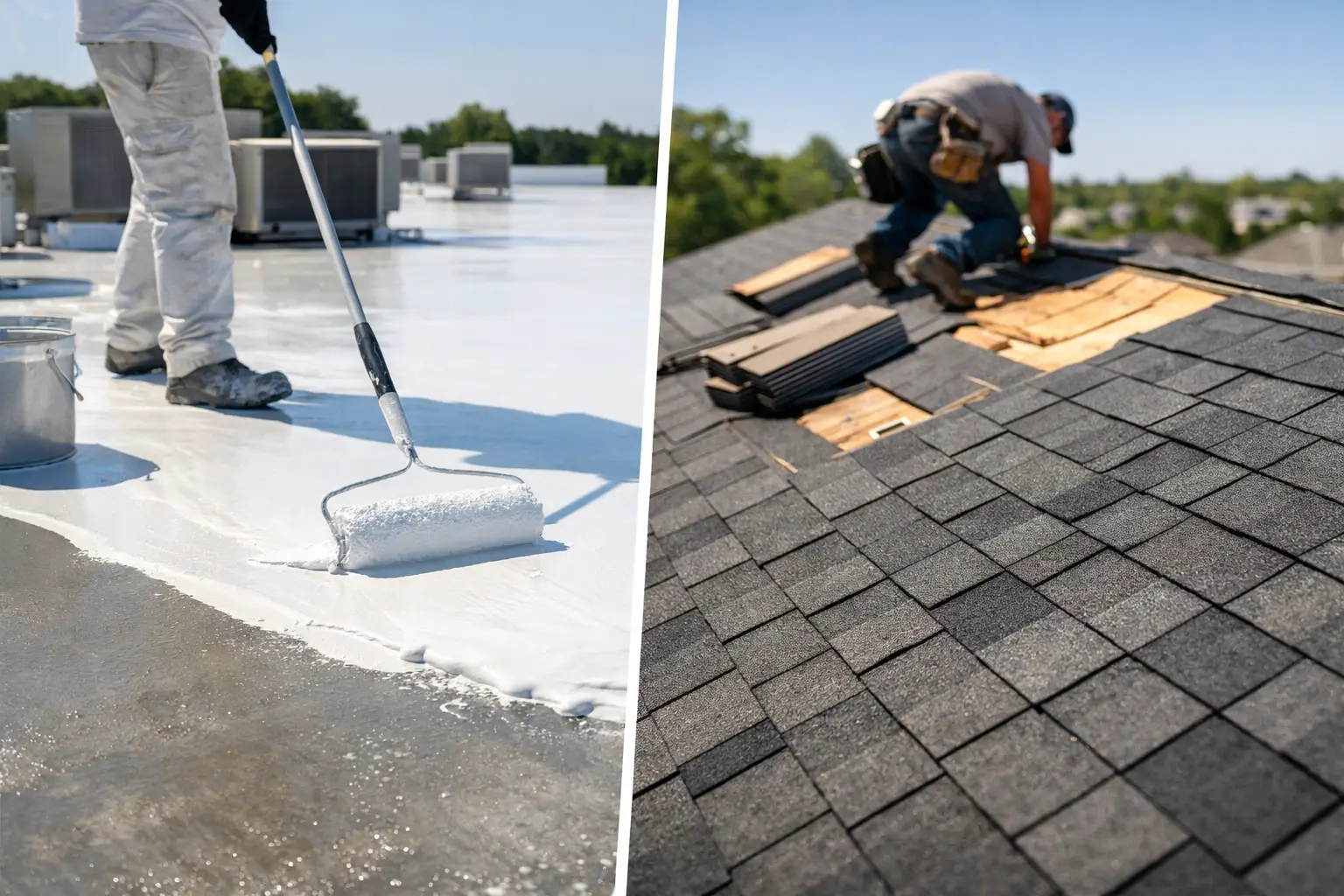
A silicone roof coating is a restoration system. It is applied over an existing roof surface to create a renewed protective membrane. In the right conditions, it can seal minor weathering, resist ponding water better than many alternatives, improve UV protection, and extend the life of a roof that is still fundamentally sound.
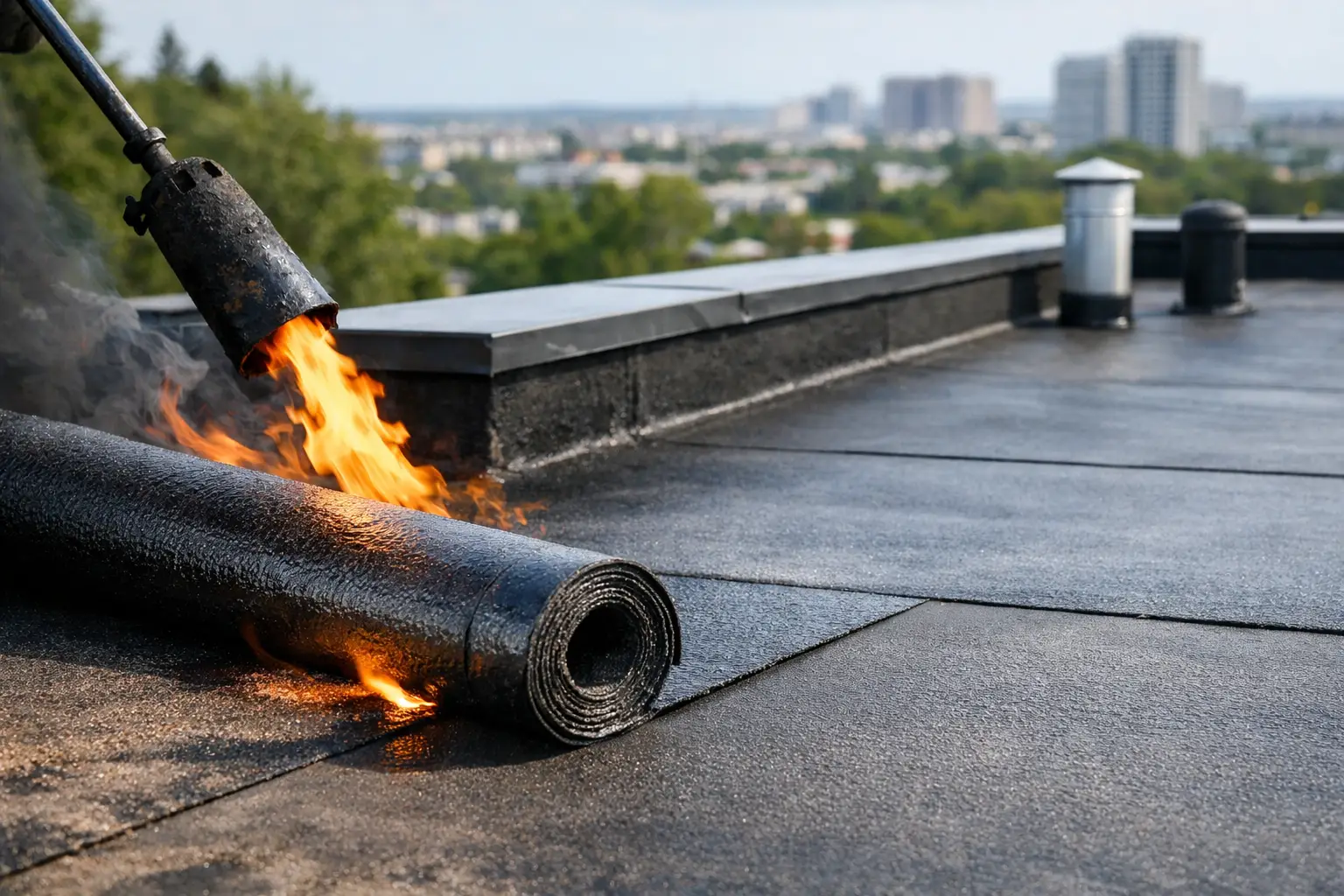
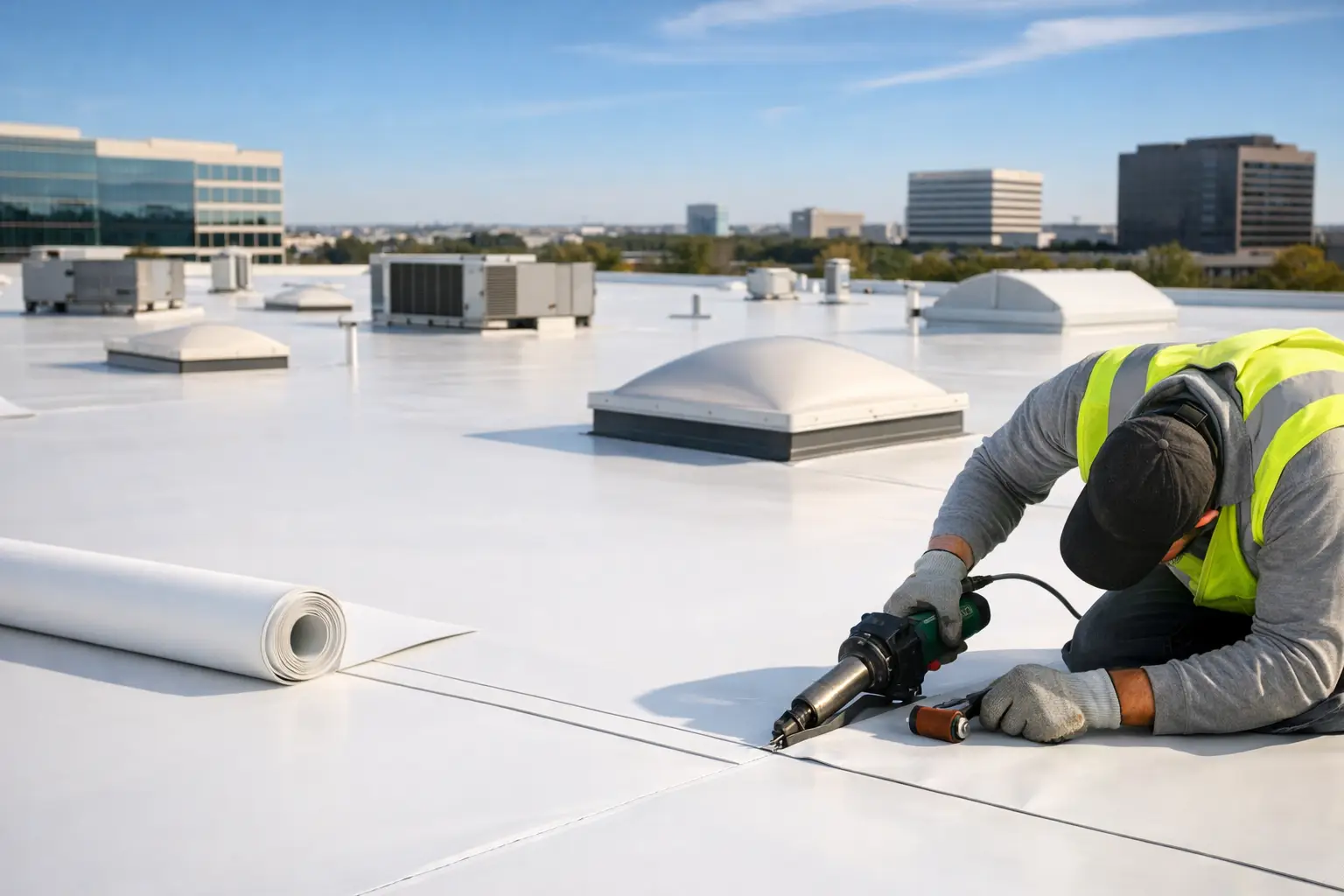
A roof replacement is a tear-off and rebuild of the roofing system, either fully or in major sections depending on the structure. Replacement addresses deeper problems such as saturated insulation, compromised decking, widespread membrane failure, poor installation, or structural issues that a coating simply cannot correct.
That distinction matters. Coatings restore. Replacements rebuild. If the roof substrate is stable and the existing system qualifies, a silicone coating can be a smart asset-protection move. If the roof assembly is failing, replacement is the responsible path.
When a silicone coating makes sense
Silicone coatings are not a shortcut for every aging roof. They work best when the existing roof still has integrity. That usually means the membrane is attached, the insulation is dry or mostly dry, the seams and flashings can be repaired, and there is no major structural deterioration.
On many low-slope and flat roofing systems, a coating can be a strong option when the goal is to extend service life without the cost and disruption of a full tear-off. For commercial properties, that can mean less interruption to tenants or operations. For residential flat roofs, it can be an efficient way to restore performance if the roof has weathered but not failed.
A properly specified silicone system can also help in climates with significant sun exposure. In the Bay Area, roofs take a steady beating from UV, temperature swings, and seasonal moisture. A coating can reduce surface degradation and help the roof perform longer, especially when maintenance has not been neglected.
Still, the phrase properly specified matters. A coating is only as good as the preparation beneath it. If the roof is not cleaned, repaired, reinforced, and tested where needed, the coating may hide problems instead of solving them.
Signs your roof may qualify for coating
A roof may be a good candidate if leaks are limited and traceable, the substrate remains stable, and deterioration is mostly surface-level rather than systemic. Some granule loss, aging, small cracks, and worn areas can often be addressed through restoration.
What you do not want is active trapped moisture, widespread blistering, major membrane separation, soft spots underfoot, or recurring leaks from multiple areas that suggest broader failure. Those are warning signs that a coating could become an expensive delay rather than a durable solution.
When replacement is the better investment
Replacement is the stronger move when the roof has reached the point where repairs and coatings no longer offer dependable protection. That often happens when the roof has multiple layers of aging materials, repeated leak history, water intrusion below the surface, or installation defects that affect the whole system.
For property owners focused on long-term value, replacement can be the lower-risk investment even though the upfront cost is higher. You are not just covering the top surface. You are correcting the assembly, improving drainage where possible, upgrading materials, and resetting the roof’s expected lifespan.
This is especially relevant when the building owner plans to hold the property for many years. A replacement can improve insurability, reduce maintenance surprises, support energy performance, and protect resale value. If the roof is already near the end of its useful life, spending money on restoration may only postpone a replacement you will still need soon.
Signs replacement is hard to avoid
If a roof has chronic leaks, soft decking, visible sagging, saturated insulation, or damage extending below the membrane, replacement is usually the responsible answer. The same is true if prior patchwork has created a roof full of weak points or if code-related upgrades are needed.
At that stage, the issue is no longer surface protection. It is system failure. A premium contractor should tell you that clearly, even if the replacement number is not what you hoped to hear.
Cost matters, but value matters more
Most people start with cost, and that is understandable. A silicone coating is generally less expensive than a full roof replacement because there is less labor, less tear-off, and less disposal. For many building owners, that lower initial investment is the main appeal.
But cost should be measured against remaining roof life, risk exposure, and future spending. If a coating adds 10 to 15 useful years to a sound roof, that can be excellent value. If it adds only a short extension because the roof was already compromised, the lower price stops looking efficient.
Replacement usually carries a much higher initial price, but it may deliver the stronger financial outcome when the roof is too far gone for restoration. You are paying more upfront to eliminate underlying failure and reduce the chance of repeated repairs, water damage, and emergency service calls.
This is where transparent estimating matters. A serious contractor should show you what condition the roof is actually in, explain what is salvageable, and outline the trade-offs without pressure.
Lifespan and performance are not equal
A silicone coating can extend roof life significantly when installed over a viable system and maintained correctly. It also performs well against UV exposure and stands up well to ponding water compared with many other coatings. That makes it attractive for low-slope roofs where standing water is a recurring concern.
A replacement typically delivers the longest reset because the roof system itself is being rebuilt, not just resurfaced. Depending on the material selected, installation quality, and maintenance plan, the life expectancy may far exceed what a restoration system can provide.
That does not make replacement automatically better. It makes it more comprehensive. If you do not need a full reset, paying for one may not be the smartest use of capital. If you do need one, coating over the problem will not create performance that the structure underneath cannot support.
The hidden factor: what is happening below the surface
The biggest mistake in the silicone roof coating vs replacement decision is treating it like a visual choice. Roofing failures are often hidden. Moisture can be trapped beneath membranes. Insulation can lose performance long before the roof looks terrible from above. Decking can weaken in isolated areas that only show up during a hands-on inspection.
That is why core samples, moisture scans, and detailed inspections matter on commercial and low-slope systems. On residential roofs, close evaluation of decking condition, leak patterns, ventilation, flashing details, and previous repair history can reveal whether restoration is realistic or risky.
A coating should be chosen because the roof qualifies for one, not because it is the cheaper line item on the proposal.
Which option is right for your property?
If your roof is aging but structurally sound, a silicone coating may be the practical way to extend service life, improve weather protection, and avoid premature replacement. If your roof has widespread water intrusion, substrate damage, or system-level failure, replacement is the higher-accountability choice.
For many owners, the decision comes down to timeline and risk tolerance. If you need dependable long-term performance and want to correct underlying issues now, replacement often makes more sense. If the roof is in restorable condition and your goal is to preserve a viable system with disciplined maintenance, a silicone coating can be a strong strategy.
The best contractors do not force one answer onto every building. They assess the roof honestly, document the condition, and recommend the option that protects the property rather than just winning the job. That is the standard serious property owners should expect.
A roof is too important to treat like a cosmetic project. Whether the right move is restoration or full replacement, the goal is the same: protect the asset, reduce future risk, and choose a system you can trust when the weather turns.