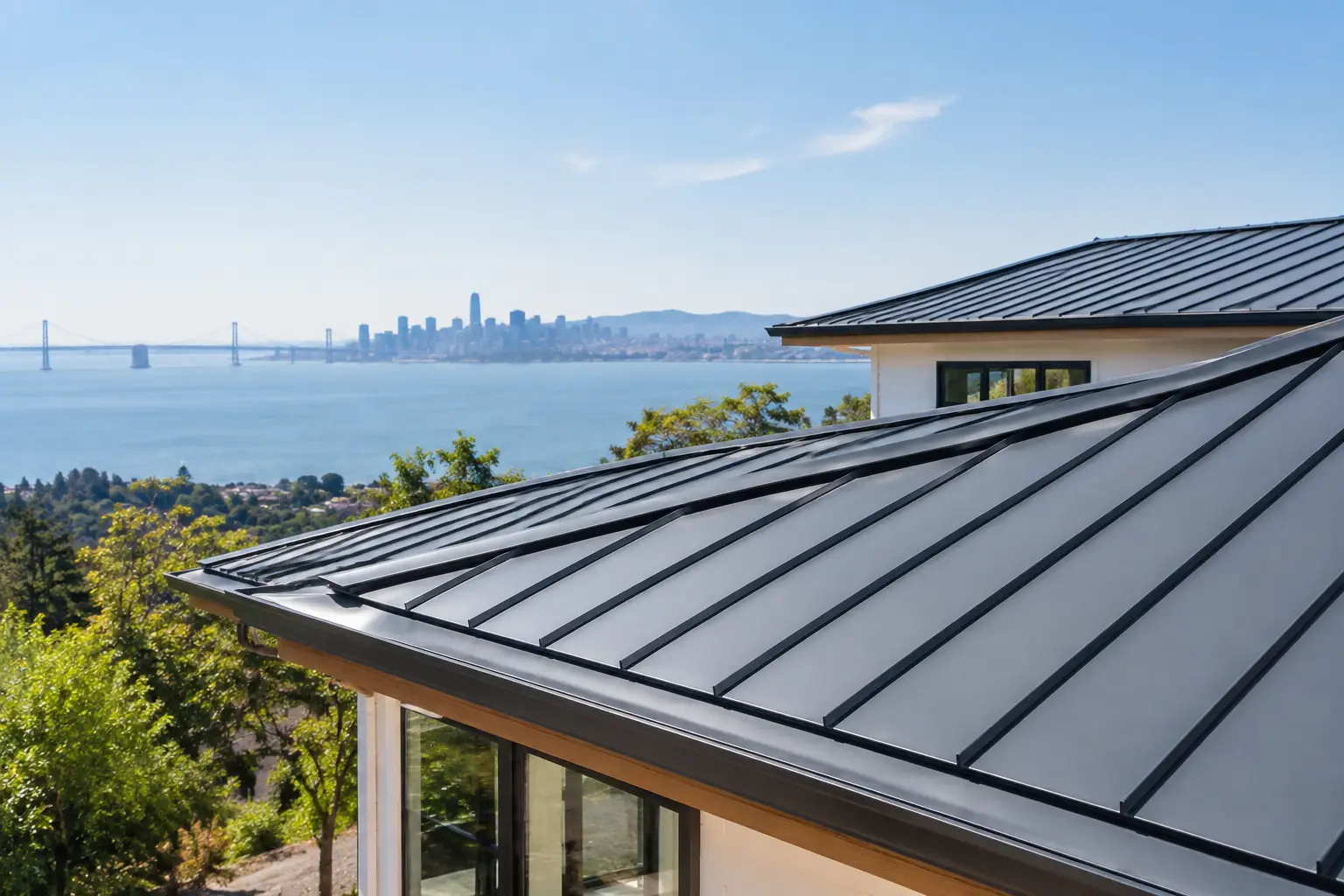

A commercial roof can look acceptable from the ground while quietly losing its ability to shed water, reflect heat, and protect the building below. The best commercial roof coatings do more than improve appearance. When matched to the existing roof and installed correctly, they can restore a weathered system, reduce maintenance exposure, and extend the useful life of a valuable property asset.
For Bay Area property owners and managers, the right choice is rarely about buying the thickest or cheapest coating. It is about selecting a system that performs on the actual roof – through standing water, ultraviolet exposure, rooftop foot traffic, changing temperatures, and the details around drains, penetrations, and parapet walls. A coating is only as dependable as the roof assessment, preparation, and workmanship behind it.
What a Commercial Roof Coating Is Designed to Do
A roof coating is a fluid-applied membrane installed over an existing commercial roof. Once cured, it creates a continuous protective surface that can help resist water intrusion and solar degradation. Many coatings are bright white or light-colored, which can reflect a significant amount of sunlight and reduce heat absorbed by the roof surface.
A restorative coating system is not a universal substitute for replacement. It is a strategic option for a roof that remains structurally sound but has surface deterioration, aging seams, minor weathering, or reduced reflectivity. If insulation is saturated, decking is compromised, seams are failing broadly, or the membrane has reached the end of its serviceable life, a new TPO or modified bitumen system may provide better long-term value.
That distinction matters. Applying coating over concealed moisture or major defects can trap a problem rather than solve it. A professional evaluation should identify active leaks, wet insulation, drainage failures, membrane condition, flashing integrity, and the roof’s maintenance history before any material is selected.
The Best Commercial Roof Coatings by Roof Condition
Silicone coatings for ponding-water resistance
Silicone is often one of the strongest choices for low-slope commercial roofs that experience recurring ponding water. Unlike many water-based products, silicone coatings are highly resistant to moisture and generally hold up well under prolonged exposure to standing water. They also offer excellent UV stability, an important advantage on unshaded roofs exposed to California sun year after year.
For aging single-ply roofs, modified bitumen, metal roofs, and certain sprayed foam systems, a properly specified silicone coating can provide a durable restoration path. It adheres well when the substrate is prepared correctly and can be installed with reinforcing fabric at seams, transitions, and repairs where added strength is needed.
There are trade-offs. Silicone attracts dirt more readily than some alternatives, so its surface may lose some reflectivity over time if it is not maintained. It can also be difficult for other coatings to adhere to later without specific preparation. These are manageable considerations, but they reinforce why material selection should be based on the building rather than a one-size-fits-all recommendation.
Acrylic coatings for reflectivity and cost control
Acrylic roof coatings are water-based and widely used for roofs that drain well. They are valued for their bright, reflective finish, flexibility, and often lower initial cost compared with silicone or polyurethane systems. On a properly sloped roof with no persistent ponding, an acrylic system can be an effective way to improve solar reflectance and renew a weathered surface.
Acrylic coatings are particularly practical when budget timing matters and the roof is in generally good condition. They can perform well over metal, smooth modified bitumen, and certain single-ply membranes, assuming adhesion testing and manufacturer-approved primers are used.
The limitation is moisture tolerance during and after application. Acrylic needs suitable dry conditions to cure, and it is not typically the first choice for areas where water remains on the roof for long periods. On a flat roof with chronic drainage issues, choosing acrylic solely for its lower upfront price can lead to premature maintenance demands.
Polyurethane coatings for high-traffic areas
Polyurethane coatings are known for toughness. They provide strong resistance to abrasion, impact, and foot traffic, making them a serious option for commercial roofs with regular service activity around HVAC equipment, solar components, vents, or mechanical platforms. They also have strong adhesion characteristics on many challenging substrates.
A common approach uses a durable aromatic polyurethane base coat with an aliphatic top coat that provides better color and UV retention. This layered system can deliver substantial protection where physical wear is a greater concern than reflectivity alone.
Polyurethane systems often cost more and require careful handling during installation. Still, for roofs that double as active work zones, their added durability can be worth the investment. A service technician crossing an unprotected roof path repeatedly can create damage that a lighter-duty coating is not designed to withstand.
Asphalt and aluminum coatings for targeted applications
Asphalt-based and aluminum coatings remain useful in certain situations, especially on compatible built-up or modified bitumen roofs. Aluminum coatings can reflect sunlight and help protect asphaltic surfaces from UV exposure. They are not the modern answer for every commercial roof, but they may be appropriate when the existing system, budget, and maintenance plan support their use.
These products typically do not offer the same restoration performance or long-term elasticity as premium silicone, acrylic, or polyurethane systems. They should be selected for a clear technical reason, not simply because they are familiar.
Roof Type Matters More Than Marketing Claims
The best coating system begins with compatibility. A coating that performs exceptionally over a weathered metal roof may not be the right choice for a TPO membrane. A product suited for modified bitumen may require a specific primer or reinforcement method before it can be applied over another substrate.
Metal roofs often benefit from coating when rust is addressed, fasteners are secured, seams are reinforced, and surface oxidation is properly prepared. The coating then helps seal minor movement points and protects the metal from continued weather exposure.
Single-ply roofs, including TPO, require a closer look at membrane age, cleanliness, seam condition, and previous repairs. Surface contamination can interfere with adhesion. The right cleaning process, primer, and detail work are not optional steps. They determine whether the coating becomes a protective system or a short-lived surface treatment.
For 3-ply torch down and other modified bitumen roofs, coating can be a strong restoration option when the cap sheet remains sound. Open laps, blisters, damaged flashing, and areas of exposed substrate must be repaired first. Coating should reinforce a stable roof, not cover visible failure.
Installation Quality Determines the Outcome
Commercial roof coatings are frequently marketed by dry-film thickness, warranty length, or reflectivity ratings. Those specifications matter, but they do not replace disciplined installation. The same coating can perform very differently depending on cleaning, moisture testing, repairs, primer selection, application rate, and cure conditions.
A serious scope of work starts with preparation. The roof must be cleaned thoroughly enough for the coating to bond. Failed caulking, weak seams, deteriorated flashings, and penetrations need repair. Drains must remain clear. Detail areas often receive reinforcing fabric or additional material because they are more vulnerable to movement and water entry than broad field areas.
Thickness must be measured, not assumed. Applying too little material can reduce service life and compromise warranty requirements. Applying material indiscriminately, however, is not craftsmanship either. The system should be built to the manufacturer’s specification and the roof’s actual risk profile.
At Titanium Roof Innovations, that standard means treating a coating project as a roofing system – not a paint job. Clear assessment, premium materials, and accountable oversight protect the value of the restoration work long after the crew leaves the property.
When a Coating Is Not the Right Investment
A coating can delay a necessary replacement if the roof has widespread underlying failure. Warning signs include extensive wet insulation, deteriorated decking, repeated leaks in unrelated locations, severe membrane shrinkage, major structural movement, or drainage problems that cannot be corrected with repairs and tapered solutions.
It also may not be the right fit if the property needs a new insulation strategy to improve energy performance or comply with project requirements. In those cases, a full commercial reroof can provide a more dependable foundation and a cleaner path to long-term protection.
The right contractor should be willing to say so. Transparent estimating means presenting the condition of the roof honestly, including whether restoration is a sound investment, a temporary measure, or an unnecessary risk.
Choosing a Coating System With Confidence
The strongest decision is based on a physical roof evaluation, not a product label. Consider where water sits after rain, how frequently the roof receives foot traffic, whether the membrane is compatible, how much life remains in the existing system, and what level of maintenance the property can support. Also ask how seams, penetrations, drains, and flashing details will be handled, since these areas often determine the success of the entire project.
A commercial roof deserves a solution built around its condition, its use, and the building it protects. When the restoration scope is honest and the installation is precise, a premium coating system can turn an aging roof into a dependable layer of long-term defense.