A Bay Area roof can face hot inland afternoons, cool coastal moisture, high winds, airborne debris, and a very real wildfire risk – sometimes within the same year. That is why choosing the best shingles for Bay Area homes is not simply a matter of selecting a color or buying the thickest product available. The right system must match your property’s microclimate, roof design, fire requirements, and long-term plans.
A quality shingle roof is a complete protective assembly. The shingles are the visible finish, but underlayment, flashing, ventilation, starter courses, ridge components, and installation precision determine whether the roof performs as promised. For homeowners protecting a high-value asset, material selection and craftsmanship must work together.
What Bay Area Shingles Need to Handle
The Bay Area does not have one roofing climate. A home in San Jose may experience extended dry heat and sun exposure, while a property closer to the coast may contend with fog, moisture, and moss-friendly conditions. Hillside homes can see stronger wind exposure. Homes near open space may require greater attention to fire-hardening and ember resistance.
At a minimum, shingles should carry a Class A fire rating, the highest rating available for roof coverings. This is especially significant in California, where wildfire conditions and local codes make fire performance a central concern rather than a premium add-on. Class A-rated asphalt shingle systems are widely available, but the rating applies to the tested roof assembly. Proper underlayment and installation details still matter.
Wind resistance is another decision point. Look for shingles rated for the wind conditions your home may encounter, along with a contractor who uses the manufacturer’s specified nailing pattern. A high-wind rating means little if fasteners are placed incorrectly, driven too deeply, or installed over a weak roof deck.
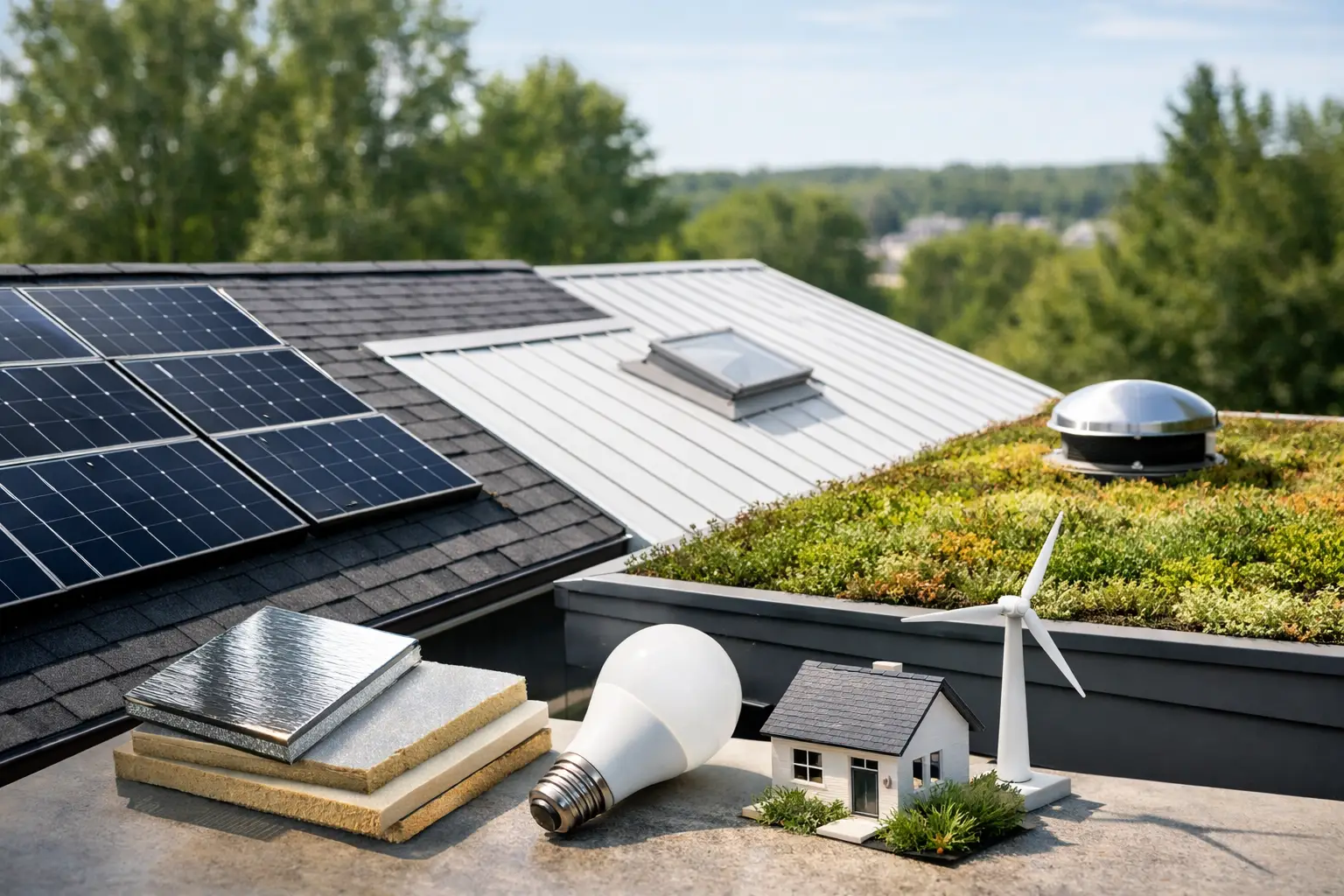
Finally, consider solar exposure. The south- and west-facing slopes of a Bay Area roof take the greatest heat load. Darker shingles can create a rich, architectural appearance, but they absorb more heat. Lighter and solar-reflective colors may help manage attic temperatures, particularly when paired with balanced ventilation and adequate insulation.
Best Shingles for Bay Area Homes: The Leading Choices
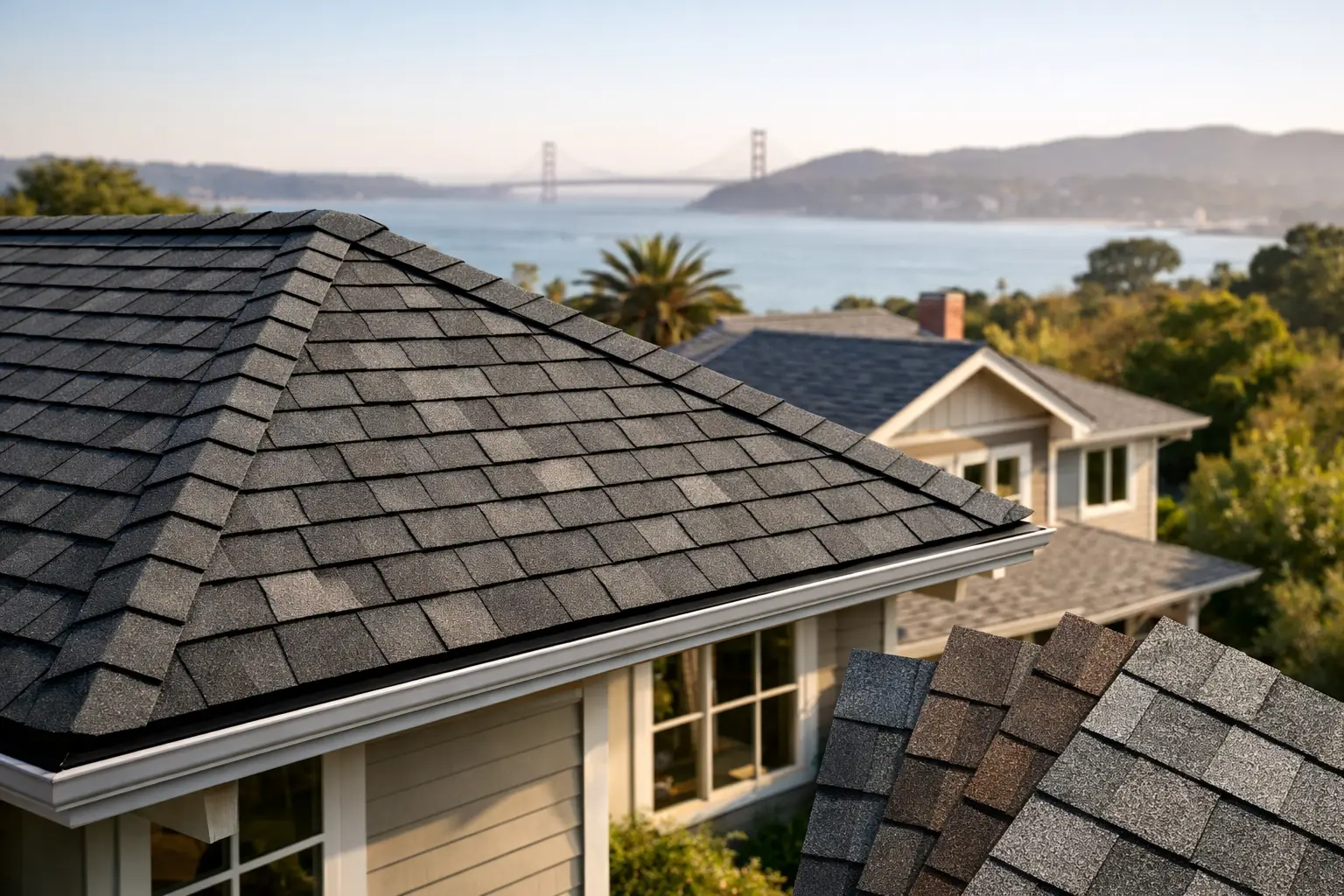
For most Bay Area homeowners, architectural asphalt shingles offer the strongest balance of protection, appearance, cost control, and repairability. They are also called dimensional or laminated shingles because they use multiple layers to create depth and a more substantial profile than traditional three-tab shingles.
Architectural shingles are typically the best default choice for a full roof replacement. Their layered construction generally provides stronger wind performance, a longer manufacturer warranty range, and better curb appeal than entry-level options. They suit a broad range of home styles, from ranch and Craftsman homes to contemporary remodels.
Premium designer asphalt shingles are worth considering when appearance carries more weight. These products can mimic wood shake or slate while maintaining the fire rating and practical maintenance profile of asphalt. They cost more than standard architectural shingles and add roof weight, so the roof structure and budget should be evaluated before making the upgrade. For a prominent street-facing roof or an upper-end property, the visual return can be meaningful.
Impact-resistant shingles may also be a smart option for homes exposed to falling branches, windblown debris, or seasonal storm activity. These products are designed to better resist cracking and surface damage from impacts. They are not indestructible, and they do not replace tree maintenance, but their added durability can reduce a common source of premature roof damage.
Three-tab shingles remain available, but they are rarely the best long-term investment for a Bay Area home. Their flatter appearance, lower wind resistance, and shorter expected service life can make them appropriate for a low-cost rental application or a short-term holding strategy. For an owner planning to stay in the property, architectural shingles usually provide more meaningful value.
Fire Rating Should Be Non-Negotiable
A roof is one of the largest exterior surfaces vulnerable to wind-driven embers. During a wildfire event, embers can travel far beyond the active fire zone and find openings around roof edges, vents, or deteriorated flashing. A Class A roof covering is a critical layer of protection, but it should be part of a broader fire-conscious roofing plan.
That plan includes maintaining clean gutters, removing debris from roof valleys, using appropriate vent products, and correcting gaps where embers or water could enter. It also means inspecting the roof deck during replacement. Rotting plywood, loose sheathing, and poorly secured edges create hidden weaknesses that new shingles alone cannot solve.
If your home is in or near a higher fire-hazard area, do not assume every roofing proposal includes equivalent fire protection. Ask what Class A rating applies to the complete system and which components are being installed beneath and around the shingles.
Color Is About More Than Curb Appeal
Shingle color shapes the appearance of the entire property, but it also affects heat absorption, stain visibility, and how the roof ages visually. On many Bay Area homes, medium tones are the most forgiving choice. Weathered grays, warm browns, and blended taupes can complement stucco, siding, brick, and modern exterior palettes while hiding everyday dust and minor debris better than very light or very dark colors.
A dark charcoal roof can look striking against light stucco or contemporary siding, especially in cooler neighborhoods. On a home with significant direct sun and limited attic ventilation, however, it may increase heat gain. A lighter gray or reflective blend may be the more practical choice for comfort and energy performance.
Before finalizing a color, view full-size samples outdoors at different times of day. Small sample boards can look dramatically different under bright sun, coastal fog, or late-afternoon shade. Consider the fixed elements that will remain in place, including exterior paint, stonework, trim, driveway color, and neighboring rooflines.
Do Not Choose Shingles by Warranty Length Alone
Long manufacturer warranty language can sound reassuring, but it should not be the sole basis for selection. Many warranties are limited, prorated after an initial period, and subject to specific installation requirements. They may cover manufacturing defects but not every cause of a leak, storm damage, workmanship error, or ventilation-related issue.
The more useful question is whether the shingle system is properly specified for the home and installed to the manufacturer’s requirements. A premium shingle installed over deteriorated decking, inadequate ventilation, or incomplete flashing will not deliver premium performance.
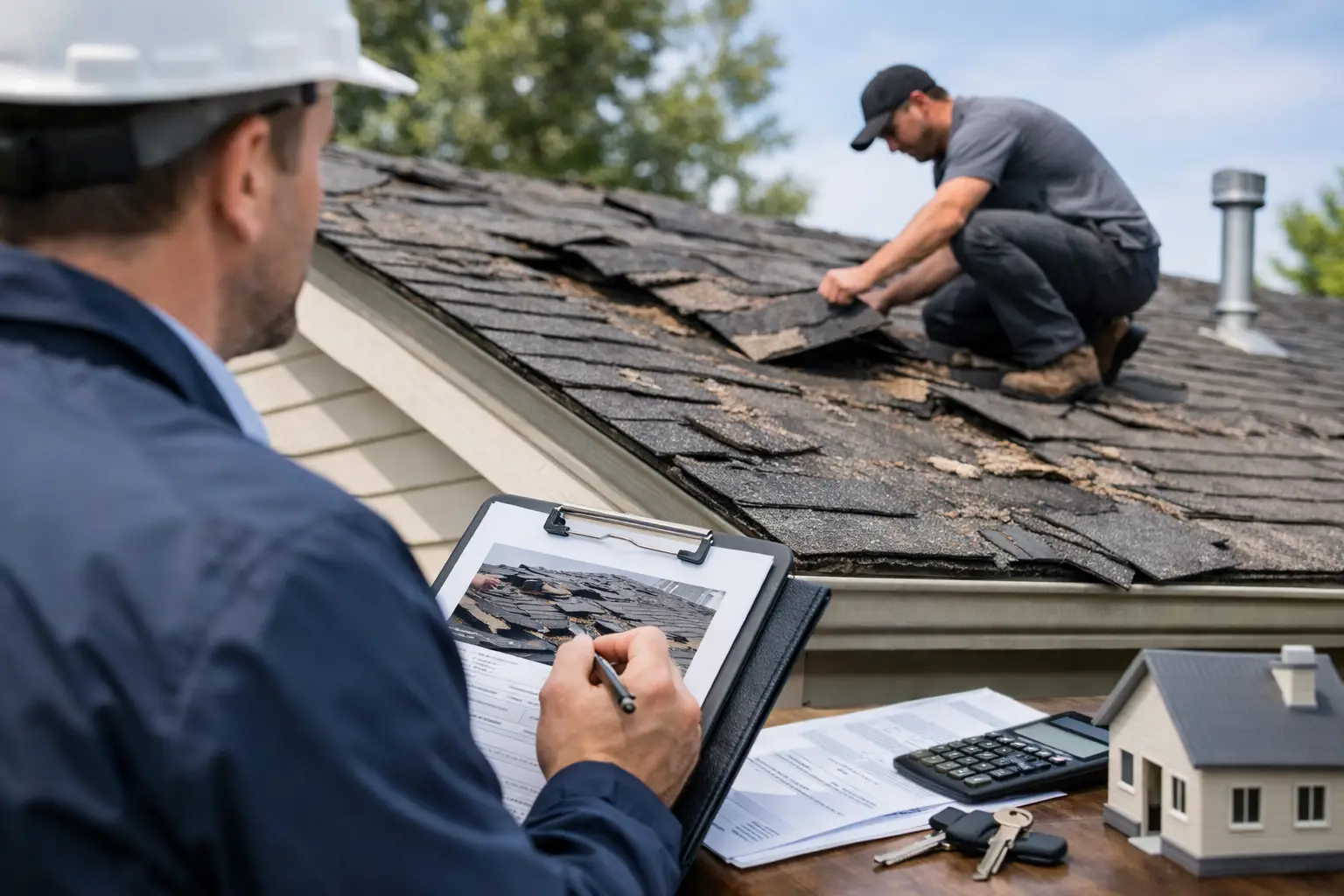
A transparent roofing estimate should identify the shingle line, underlayment, flashing approach, ventilation plan, decking allowances, and disposal process. It should also clarify who is responsible if concealed damage is uncovered once the old roof is removed. Clear scope protects homeowners from surprise decisions after a project begins.
Installation Details That Protect the Investment
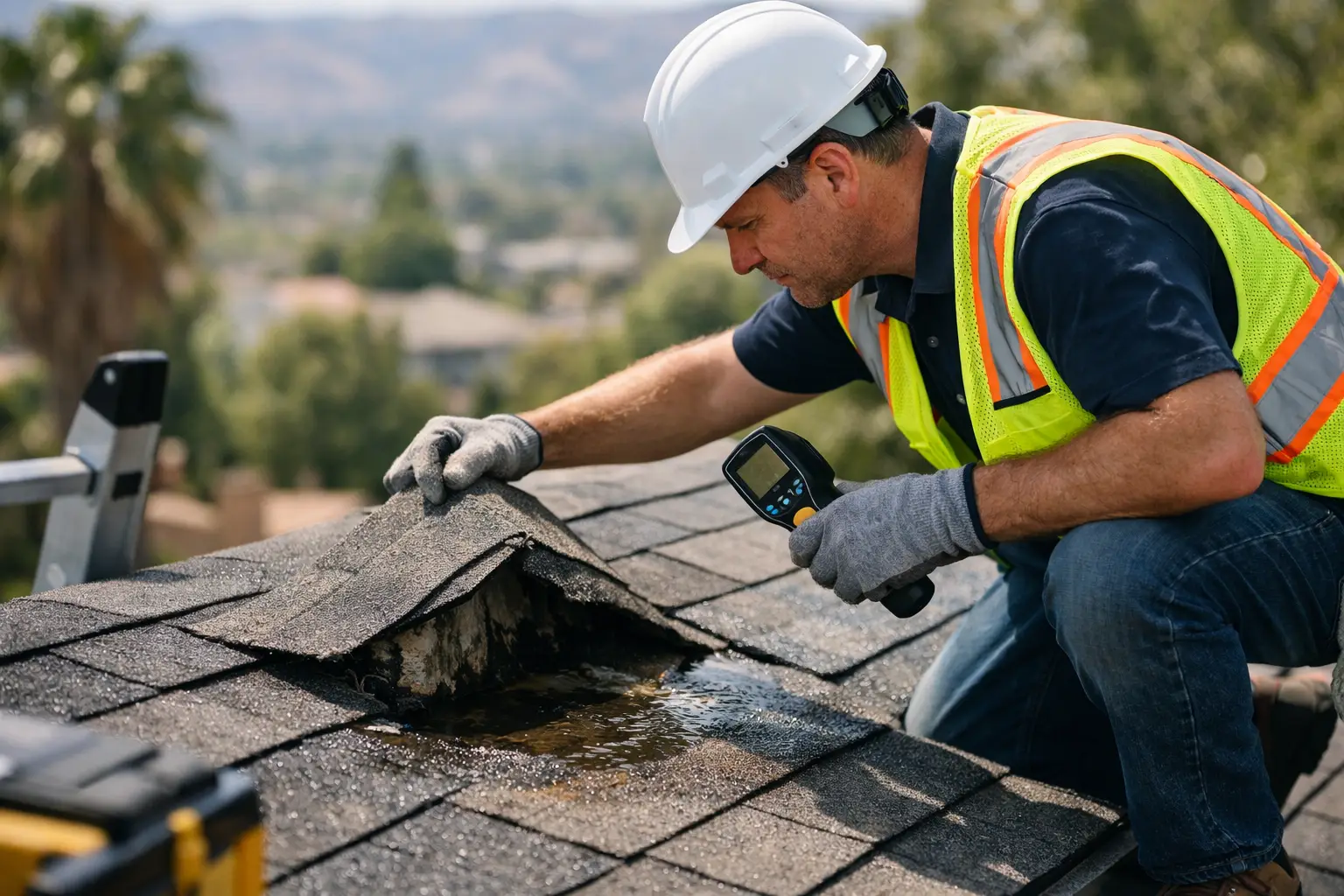
Even the best shingle cannot compensate for weak installation. Water usually enters a roof at transitions, penetrations, and edges – not through the middle of an intact shingle field. Chimneys, skylights, wall intersections, pipes, valleys, and roof-to-gutter transitions deserve disciplined attention.
A professional replacement should begin with a close inspection of the roof deck after tear-off. Damaged sheathing should be replaced, not covered. Ice and water protection or other self-adhered membrane details may be appropriate in vulnerable areas such as valleys and eaves, depending on roof design and local conditions. New flashing should be integrated correctly rather than relying on old, tired metal concealed beneath fresh shingles.
Ventilation also deserves a careful review. The goal is not simply to add more vents. Intake and exhaust must be balanced so heat and moisture can move through the attic as intended. On homes with cathedral ceilings, complex additions, or limited soffit space, ventilation design may require a more tailored solution.
This is where experienced oversight matters. Titanium Roof Innovations approaches roof replacement as a protection system, not a shingle-only transaction. Material quality, clean detailing, accountable communication, and documented scope all contribute to a roof built for long-term performance.
Match the Roof to Your Ownership Plan
If you expect to sell within a few years, a well-installed architectural shingle in a versatile color can strengthen curb appeal without overbuilding for the market. If this is your long-term home, investing in a higher-grade architectural or designer shingle may make sense, especially if the existing roof has complex valleys, heavy tree exposure, or strong sun exposure.
For an investment property, durability and serviceability often matter more than a premium visual profile. Choose a dependable architectural product, avoid overly trendy colors, and prioritize flashing, ventilation, and gutter condition. Those details reduce maintenance calls and protect rental income more effectively than cosmetic upgrades alone.
The right choice is rarely the cheapest shingle and not always the most expensive one. It is the Class A-rated system that fits your home’s exposure, supports its design, meets your budget with clear scope, and is installed with the precision your property deserves. A roof replacement is an opportunity to correct hidden vulnerabilities before they become expensive interior damage.