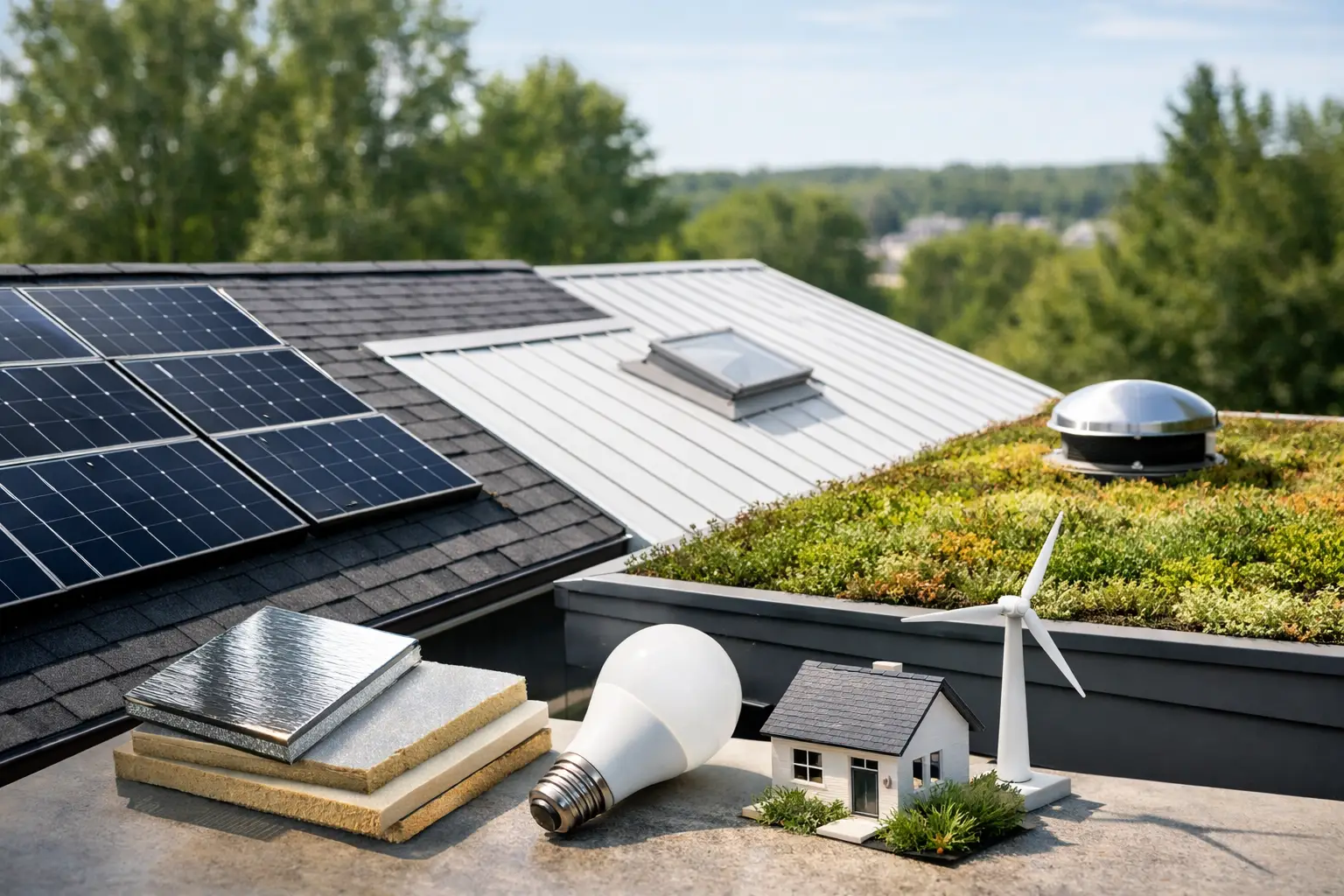
A roof can absorb intense heat for hours, then transfer that heat into living spaces, attics, and top-floor offices long after the afternoon sun has passed. The right energy efficient roofing options reduce that heat gain at the roofline while protecting the structure beneath it. For Bay Area property owners, the best choice is rarely the same for every building. Roof slope, existing condition, insulation, local exposure, and long-term maintenance expectations all matter.
A high-performance roof is not simply a lighter color or a more expensive material. It is a complete system: roofing material, underlayment, flashing, insulation, ventilation, drainage, and installation quality working together. Choosing that system carefully can improve interior comfort, support lower cooling demand, and protect the value of the property for decades.
What Makes a Roof Energy Efficient?
Energy efficiency begins with how a roof handles solar heat. Highly reflective surfaces send more sunlight away from the building rather than absorbing it. High thermal emittance helps the roof release absorbed heat instead of holding it. Together, these qualities are often described as a cool roof performance profile.
But reflectivity alone does not tell the whole story. A reflective roof over a poorly insulated attic can still allow unwanted heat into the building. A premium membrane installed with weak flashing details can leak before its service life is realized. On a commercial building, ponding water and inadequate drainage can undermine a system that looked excellent on paper.
The Titanium Standard is to evaluate the roof as a protective assembly, not a standalone product. That means identifying where heat enters, how moisture can move, whether ventilation is appropriate, and what level of maintenance the property can reasonably support.
Energy Efficient Roofing Options for Homes
Cool asphalt shingles
Modern asphalt shingles are no longer limited to dark, heat-absorbing colors. Cool-roof shingle lines use specially engineered granules that reflect a greater portion of the sun’s energy, including some wavelengths not visible to the eye. They offer a familiar appearance, broad color selection, and a more accessible installation cost than many premium materials.
For homeowners replacing a standard pitched roof, cool shingles can be a practical upgrade without changing the architectural character of the home. They are especially effective when paired with adequate attic insulation and properly balanced intake and exhaust ventilation.
The trade-off is lifespan and heat performance compared with metal or some tile systems. Shingles remain a strong choice when budget, curb appeal, and dependable all-around protection are the priority, but they should be selected for documented performance rather than color alone.
Tile roofing
Clay and concrete tile provide lasting curb appeal and strong thermal advantages. The shape of the tile can create an air space between the roofing surface and deck, helping reduce direct heat transfer. Lighter tile colors can further improve solar reflectance.
Tile is well suited to many Bay Area homes because it handles sun exposure well and delivers an elevated architectural finish. It also has a long service potential when the underlayment, flashings, and fastening system are built correctly.
Its weight is the key consideration. The roof structure must be capable of supporting the system, and repairs require experienced handling to avoid cracked tiles or compromised waterproofing beneath them. Tile is a premium investment, not a shortcut, but it can be a sound decision for owners focused on longevity and appearance.
Metal roofing
Metal roofing combines durability, low maintenance demands, and excellent energy performance. Standing seam panels and quality metal shingles can be finished with highly reflective coatings, helping reduce solar heat absorption. Metal also sheds water efficiently and performs well on many roof slopes.
For homeowners planning to stay in their property for many years, metal can justify its higher initial cost through service life, reduced maintenance exposure, and strong visual impact. It is also a smart option for properties with recurring heat issues in upper floors or attic spaces.
However, metal roofing requires precise installation. Panel movement, transitions, fasteners, penetrations, and flashing details must be handled correctly. A lower bid that overlooks these details can turn a premium material into a costly problem. Material quality and installation discipline must match.
Efficient Systems for Flat and Low-Slope Roofs
Low-slope roofs need a different approach. Water management is as important as heat reflectivity because a roof that holds water will face accelerated wear, even when its surface is highly reflective.
White TPO single-ply membrane
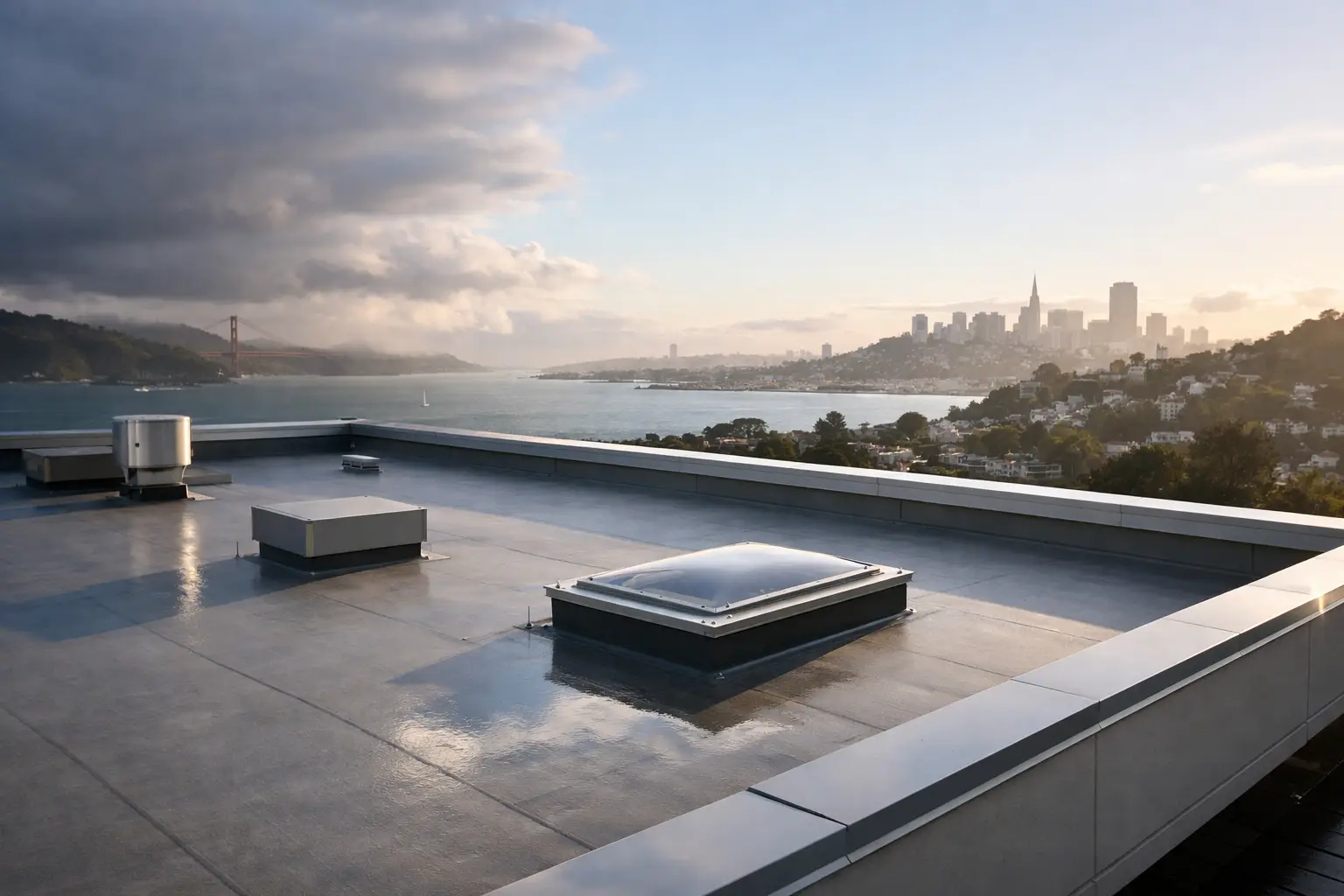
TPO is a widely used commercial roofing membrane with a bright, reflective surface that can help lower rooftop temperatures. Heat-welded seams create a continuous waterproofing layer, making it a strong option for commercial buildings, multifamily properties, and residential low-slope sections.
A properly specified TPO system depends on more than the membrane itself. Insulation thickness, cover boards, edge details, drain locations, penetrations, and seam welding all affect performance. For a building with a large exposed roof area, these details can make a measurable difference in energy use and long-term reliability.
TPO is often an excellent balance of performance and value, though it should be selected based on roof condition and drainage. If the existing deck or insulation has been compromised by moisture, simply installing a new membrane over the problem is not a durable solution.
Silicone roof coatings
A restorative silicone coating can be an efficient option when an existing flat roof is still structurally sound and suitable for restoration. The coating creates a reflective, monolithic surface over the existing roof, helping reduce heat gain while extending the service life of the underlying system.
Coatings can reduce tear-off waste and disruption, which is valuable for occupied commercial properties. They are not appropriate for every roof, however. The existing membrane must be carefully inspected, cleaned, repaired, and prepared. Severe saturation, failed substrate conditions, or extensive deterioration may call for full replacement instead.
Modified bitumen and torch-down systems
Three-ply torch-down and other modified bitumen systems are known for layered protection and durability. By themselves, darker cap sheets may not provide the same solar reflectance as white TPO or silicone. Yet they can still be part of an energy-conscious assembly when specified with a reflective cap sheet or coating and paired with the right insulation strategy.
This option often makes sense where a durable, multi-layer waterproofing system is needed. The right decision depends on building use, traffic levels, drainage, and the condition of the existing roof assembly.
Insulation and Ventilation Are Part of the Decision
A roof replacement is one of the best opportunities to address hidden energy losses. In a pitched residential roof, attic insulation slows heat transfer before it reaches conditioned rooms. Proper ventilation can help manage heat and moisture, but ventilation is not a substitute for insulation, air sealing, or correct roof installation.
In low-slope commercial roofing, rigid insulation above the roof deck can significantly improve thermal performance. The required thickness and assembly should be determined by the building design, local code requirements, and the condition of the roof deck. Tapered insulation may also be used to improve drainage where needed.
Property owners should be cautious about one-size-fits-all recommendations. Adding more ventilation to an attic with major air leaks may not solve comfort problems. Applying a reflective coating over a roof with trapped moisture may postpone, rather than prevent, a larger failure. A thorough inspection should come before a material recommendation.
How to Choose the Right System
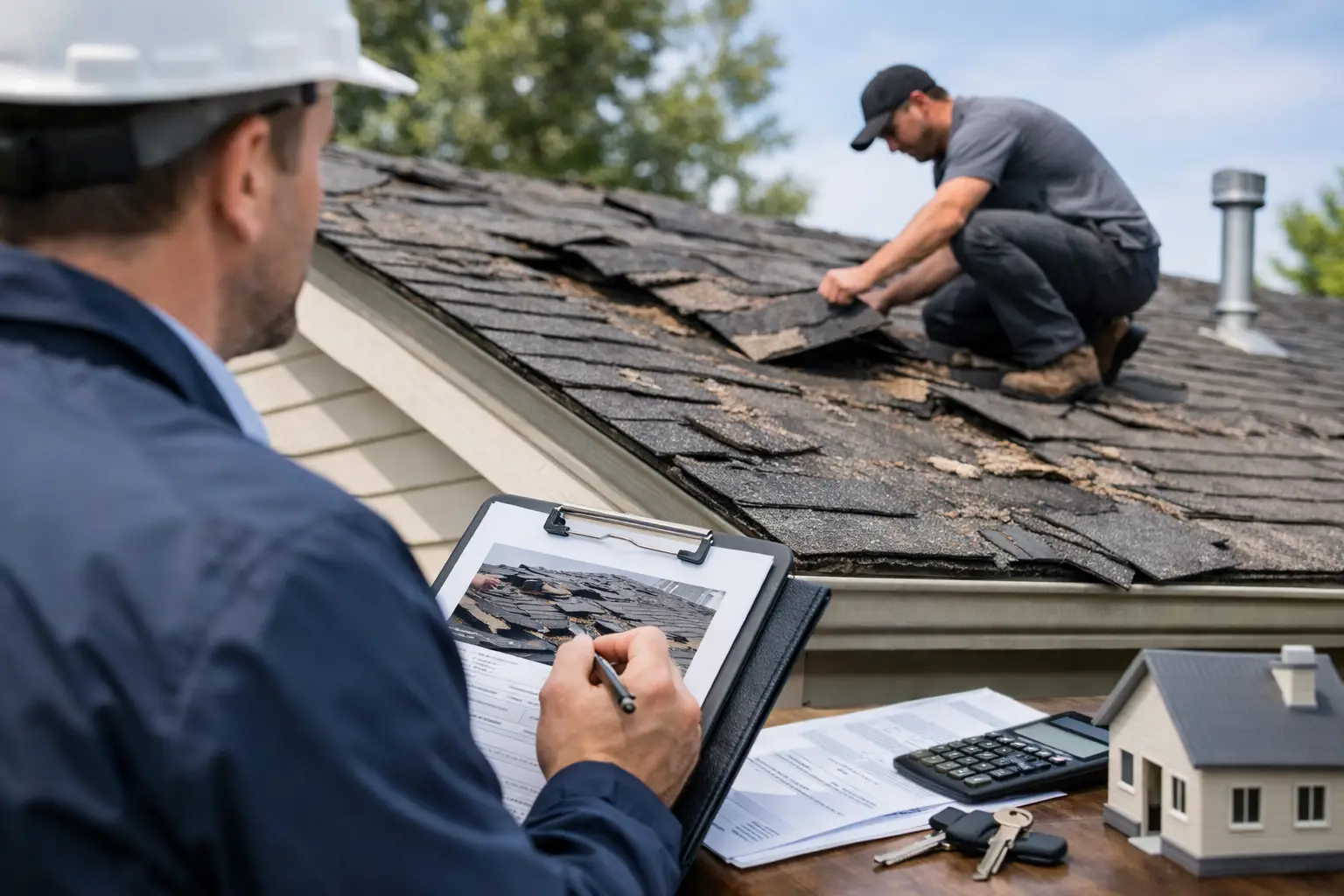
Start with the building, not the brochure. A qualified roofing assessment should examine roof age, visible wear, leak history, deck condition, drainage, insulation, attic or plenum conditions, roof orientation, and the amount of direct sun exposure. For commercial properties, the assessment should also account for rooftop equipment, foot traffic, access needs, and business continuity during construction.
Then consider ownership goals. A homeowner preparing to sell may prioritize a dependable cool shingle system with broad buyer appeal. An owner planning a long-term residence may favor tile or metal. A property manager with a large flat roof may gain the most from TPO or a restorative silicone system, provided the roof qualifies.
Finally, compare proposals on system scope, not just material names. A transparent estimate should identify tear-off or recovery work, underlayment, insulation, flashings, drainage corrections, ventilation, permits where required, workmanship coverage, and the process for protecting the property during construction. The roof’s energy performance is only as dependable as the installation behind it.
For San Jose and surrounding Bay Area properties, the most effective choice is the one built for the actual roof, the actual building, and the years ahead. Invest in a professional assessment before deciding, and demand a roofing system designed to protect your property with precision rather than a product selected by price alone.