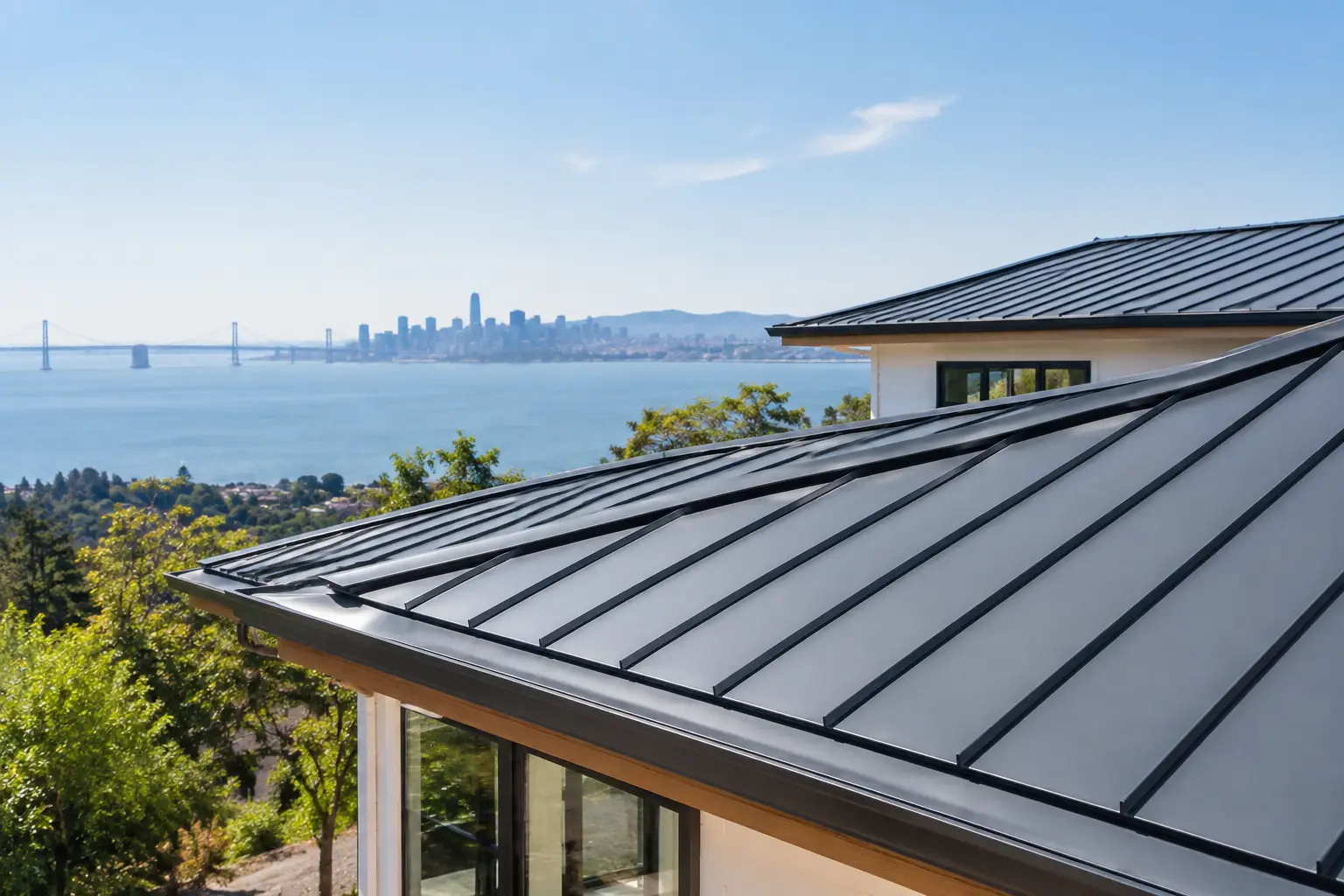

A roof warranty can sound like complete protection until a leak appears and the paperwork says otherwise. So, what does roof warranty cover? The answer depends on who issued the warranty, the roofing system installed, and whether the problem came from a defective product, faulty installation, or damage outside anyone’s control. Understanding those distinctions before signing a contract protects your property and prevents costly surprises later.
What Does a Roof Warranty Cover?
Most roofing warranties fall into two separate categories: a manufacturer warranty for the roofing materials and a workmanship warranty from the contractor. They may work alongside each other, but they do not cover the same risks.
A manufacturer warranty generally addresses defects in the roofing product itself. If shingles prematurely crack because of a manufacturing error, or a membrane fails under normal conditions because the product was defective, the manufacturer may provide replacement materials or a prorated credit. The exact remedy depends on the warranty tier and the age of the roof.
A workmanship warranty addresses installation-related problems. If a roof leaks because flashing was improperly installed, fasteners were incorrectly placed, seams were not properly welded, or drainage details were overlooked, the contractor’s workmanship coverage should define the repair responsibility. This is often the more meaningful protection in the early years of a roof, because even premium materials cannot perform as intended without precise installation.
For Bay Area property owners, that difference matters. Intense sun exposure, seasonal rain, wind, temperature shifts, and debris can expose small installation errors quickly. A strong warranty is not just a document. It is evidence that the contractor is willing to stand behind the details that keep water out.
Material Warranties: What Manufacturers Usually Protect
Material warranties vary by product and roof type. Asphalt shingles, tile, metal panels, TPO membranes, modified bitumen systems, coatings, and accessories each have different terms. Some warranties apply only to the primary roof covering, while others can include approved underlayment, sealants, flashings, and ventilation components when installed as part of a qualifying system.
A standard manufacturer warranty may cover defects such as premature granule loss on shingles, abnormal cracking, membrane deterioration, or failure of a product to meet published performance standards. Higher-tier or system warranties may offer broader coverage, longer terms, and in some cases labor coverage for approved repairs.
The word “lifetime” deserves careful reading. It rarely means a roof will last forever or that every future repair is free. It usually refers to a defined coverage period, often with changing levels of protection over time. Many warranties begin with a non-prorated period, then shift to prorated coverage that decreases as the roof ages. A 50-year warranty term also should not be confused with a guaranteed 50-year service life in every environment.
For commercial roofs, manufacturer-backed system warranties can be especially valuable. A TPO or 3-ply torch down assembly is more than a surface membrane. Its performance depends on compatible components, approved details, and proper installation. If a contractor substitutes materials or fails to follow the manufacturer’s specifications, the system may not qualify for the coverage a property owner expected.
Workmanship Warranties: Coverage for the Installation
A contractor workmanship warranty should clearly explain how long the contractor will stand behind the installation and what conditions are covered. It commonly applies to leaks or failures caused by installation errors, including improperly integrated flashings, poorly sealed penetrations, incorrect shingle alignment, inadequate fastening, or defects at valleys, ridges, and transitions.
This coverage is only as dependable as the contractor behind it. A lengthy workmanship promise has limited value if the company is difficult to reach, does not document the project, or lacks the stability to honor its commitments years later. Homeowners and property managers should look for clear written terms, detailed project records, appropriate insurance, and accountable oversight from the people responsible for the work.
At Titanium Roof Innovations, the Titanium Standard is built around that accountability: premium materials installed with founder-led attention to detail and a clear line of responsibility after the project is complete. The goal is not simply to install a roof that looks finished on day one. It is to build a system prepared to protect the structure for the long term.
What Roof Warranties Commonly Exclude
No legitimate roof warranty covers every event that can affect a building. Exclusions are normal, but they should be reviewed closely. The most common exclusions involve damage that occurs after installation rather than a defect in the material or workmanship.
A roof warranty often does not cover storm damage, fallen trees, wind-blown debris, fire, vandalism, earthquakes, foot traffic damage, pest activity, or damage caused by another trade. If an HVAC technician, solar installer, satellite provider, or plumber penetrates the roof or disturbs flashing, that work can create a leak outside the original roofer’s responsibility.
Poor maintenance can also limit coverage. Gutters packed with leaves, drains blocked by debris, neglected ponding water on a low-slope roof, and unchecked damage around penetrations can all accelerate deterioration. Some manufacturers require routine maintenance and prompt reporting of a suspected issue. Waiting through multiple rainy seasons after noticing a leak can turn a manageable repair into widespread damage that is not covered.
Many warranties also exclude pre-existing structural problems. Rotten decking, inadequate slope, trapped moisture, unstable framing, and insufficient ventilation may need correction before a new roof is installed. A responsible contractor identifies these conditions during inspection rather than hiding them beneath new materials.
The Fine Print That Changes the Value of Coverage
Before approving a roof replacement, ask for the actual warranty documents, not only a verbal description. The most useful terms are often found in the definitions, exclusions, and claim procedures.
First, confirm who provides each warranty. A manufacturer warranty is not the same as a contractor warranty, and a contractor cannot always authorize a manufacturer claim. Next, determine whether labor is included. Some material warranties replace only the product, leaving removal, disposal, and installation costs to the owner.
Also ask whether the warranty is transferable if you sell the property. Transferability can strengthen resale appeal, but it may require the new owner to register the transfer within a short period. Commercial properties may have different transfer rules than residential homes.
Finally, find out what could void coverage. Unauthorized alterations, incompatible materials, improper pressure washing, coating over unapproved surfaces, or adding solar equipment without proper roofing coordination can affect eligibility. Keep copies of the contract, warranty registration, invoices, photos, maintenance records, and any repair documentation in one accessible place.
How to Protect Your Right to Make a Claim
A warranty claim is easier when the roof system has been documented from the beginning. Start by confirming that required registrations are submitted after installation. Some enhanced manufacturer warranties must be registered by the contractor, homeowner, or both within a specific deadline.
If you notice staining, bubbling, missing shingles, loose flashing, or an active leak, report it promptly. Take dated photos from a safe location, protect the interior from further water damage, and avoid allowing an unqualified party to make a permanent repair before the original contractor has inspected the issue. Emergency mitigation may be necessary, but save receipts and document what was done.
Do not assume every leak means the roof has failed. Water can enter through wall flashing, skylights, windows, plumbing vents, masonry, gutters, or rooftop equipment. A professional inspection identifies the actual source before a warranty claim is pursued. That accuracy protects both your coverage and your property.
A Warranty Is Strongest When the Roof System Is Strong
The best warranty cannot compensate for a poorly planned roof replacement. Material selection, ventilation, drainage, flashing design, insulation, deck condition, and installation discipline all affect long-term performance. For flat and low-slope buildings, drainage and penetration details are particularly critical. For homes with shingle, tile, or metal roofing, underlayment and flashing are often where lasting protection is won or lost.
Ask your contractor to explain the proposed system in plain language: what materials will be used, how water will move off the roof, how vulnerable transitions will be protected, and which warranty applies to each part of the work. A transparent answer is a stronger signal than a broad promise with no documentation.
Your roof is one of your property’s most consequential protective systems. Choose coverage that is specific, written, and backed by craftsmanship worthy of the promise. A careful review before installation is far easier than a dispute after the first leak.