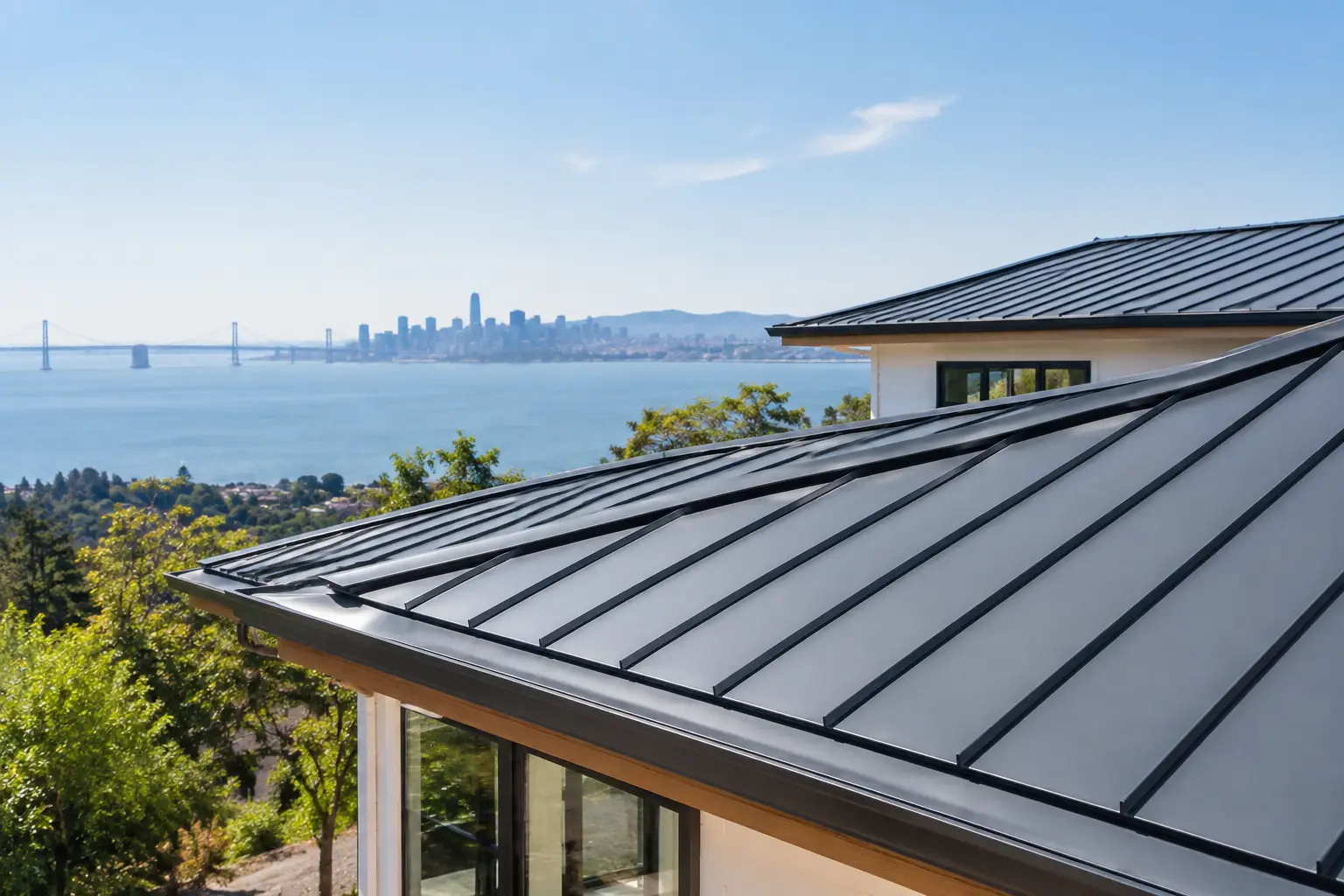

A roof usually gives you more warning than people think. The problem is that many owners do not recognize the signals until water is in the attic, stains show up on the ceiling, or a buyer’s inspector forces the issue. At that point, roof replacement is no longer a strategic decision. It becomes urgent, more expensive, and harder to plan around.
For homeowners and property owners, the better approach is simple: know when repairs are still doing their job, and know when the roof has moved into replacement territory. That decision affects not just leak protection, but energy performance, maintenance costs, insurance concerns, appearance, and the long-term value of the property.
When roof replacement becomes the smarter investment
Every roof ages differently. A composition shingle roof may fail in a different way than tile, metal, or a low-slope commercial system. Climate, installation quality, ventilation, foot traffic, and prior repairs all matter. Even two roofs on the same street can be in very different condition.
Still, there are patterns professionals look for. If the roof has widespread wear rather than one isolated problem, repairs often stop being cost-effective. Missing shingles in several areas, brittle or curling tabs, granule loss, deteriorated underlayment, soft decking, repeated leaks, failed flashing details, ponding on flat sections, or chronic patchwork are all signs that the system may be nearing the end of its useful life.
Age matters too, but age alone is not the whole story. A 20-year-old roof that was installed with precision and maintained properly may still have life left. A newer roof installed poorly may fail far sooner. That is why a serious inspection matters. The right contractor is not just looking for visible damage. They are evaluating how the full system is performing.
Repair vs. roof replacement
A targeted repair makes sense when the damage is limited and the rest of the roof is still sound. That might mean replacing a section affected by wind damage, correcting flashing around a chimney, sealing a problem area on a low-slope system, or addressing isolated leaks before they spread.
Roof replacement becomes the better option when repairs start stacking up without solving the root problem. If you are paying for one fix after another, you are often funding delay rather than protection. That is especially true when the membrane, underlayment, or decking is compromised, or when different areas are failing at the same time.
There is also the question of appearance. On higher-value homes and visible commercial properties, repeated patching can leave the roof looking uneven and tired. A full replacement creates a clean, consistent result that protects curb appeal as well as performance.
What a full roof replacement actually includes
Many owners hear the term and assume it means new shingles or a new surface. A professional roof replacement is more complete than that. It begins with removal of the old roofing materials so the structure underneath can be inspected. If damaged decking is found, it should be replaced. Flashings, underlayment, ventilation components, edge metals, penetrations, and drainage details should all be evaluated and upgraded as needed.
That matters because roofs do not fail only on the field material. They fail at transitions, seams, valleys, penetrations, and edges. A premium installation focuses on the entire assembly, not just the visible finish.
For residential properties, that may involve composition shingles, tile systems, or metal roofing depending on the home style, budget, and performance goals. For commercial and low-slope structures, TPO, torch down, and silicone restoration systems may each have a place, depending on the roof’s condition and design.
Material choice is about more than price
One of the biggest mistakes owners make is choosing materials based only on upfront cost. Price matters, but value matters more. The right roofing system should match the building, the local environment, and how long you plan to own the property.
Shingle roofing remains popular because it is cost-effective, versatile, and available in many profiles and colors. Tile can deliver a premium look and strong longevity, but it is heavier and may require structural review. Metal roofing offers excellent durability and clean modern performance, though its upfront investment is typically higher. On low-slope roofs, TPO can improve energy efficiency and reflectivity, while torch down systems are often selected for proven waterproofing performance.
There is no universal best choice. A material that is ideal for one building may be the wrong fit for another. The right recommendation should come from inspection findings, property goals, and a clear explanation of trade-offs.
Cost questions every owner should ask
Roof replacement cost depends on more than square footage. The roof pitch, tear-off complexity, number of layers, material selection, access, flashing details, drainage needs, code upgrades, and structural repairs all affect the final number.
That is why low quotes can be risky. If an estimate looks far below the rest, something is often missing. It may exclude decking repairs, ventilation improvements, permit requirements, cleanup, or quality installation details that determine how long the roof actually lasts.
A strong estimate should be transparent. It should explain the scope, identify what is included, address potential variables, and help you understand where the value is. Premium roofing is not about overselling. It is about reducing future risk through better materials, better workmanship, and tighter quality control.
Why installation quality matters as much as the product
A premium roof installed poorly will still fail early. That is the reality many owners discover after trusting the wrong contractor. Roofing is a trade where detail matters. Nailing patterns, fastening schedules, flashing integration, slope transitions, vent placement, membrane welds, edge securement, and weather timing all affect the outcome.
This is where contractor accountability becomes critical. You want a team that communicates clearly, documents the scope, protects the property during the job, and stands behind the finished work. Founder-led oversight, proper insurance, and performance protection are not marketing extras. They are practical signals that the company takes responsibility seriously.
For Bay Area properties, that level of discipline matters even more because the roof may have to handle strong sun exposure, seasonal rain, temperature swings, and in some areas wind-driven weather. A roof that looks good on day one is not enough. It has to perform year after year.
Timing your replacement the right way
The best time for roof replacement is before failure becomes interior damage. Waiting too long can turn a roofing project into a much larger restoration issue involving insulation, drywall, framing, and mold concerns.
If your roof is aging and showing multiple warning signs, have it assessed before the rainy season. That gives you more time to review options, compare systems, and schedule work without emergency pressure. Planned replacement nearly always gives owners more control over cost and decision-making than crisis replacement.
Timing also matters for real estate strategy. If you are planning to sell, refinance, or refinance a commercial asset, a failing roof can complicate inspections, insurance, and buyer confidence. Replacing it proactively can strengthen the property’s position and remove a major objection.
What to expect during the process
A well-run roof replacement should feel organized, not chaotic. The process typically starts with a detailed inspection and estimate. From there, material selection, scheduling, permit coordination, tear-off, substrate review, installation, cleanup, and final walkthrough should follow in a clear sequence.
Good communication makes a major difference. You should know what work is happening, what contingencies may arise, and how your property will be protected during the job. On residential work, that includes landscaping, driveway access, and daily cleanup. On commercial projects, it includes tenant impact, business continuity, and jobsite safety.
The strongest contractors do not just install a roof. They manage the project in a way that protects trust.
Choosing a contractor for roof replacement
The right contractor should be able to explain what they see, what they recommend, and why. That sounds basic, but it separates true professionals from sales-driven operators. You want direct answers, clear scope details, and no pressure tactics.
Ask how the roof system will be installed, what warranty coverage applies, who oversees quality control, and how hidden damage is handled if discovered during tear-off. Ask whether the contractor carries liability insurance and what protections are in place for the customer. These are not small questions on a high-value project.
A company like Titanium Roof Innovations is built around that standard – premium materials, disciplined workmanship, transparent estimating, and roofing systems designed for long-term protection rather than short-term fixes.
Roof replacement is a major decision, but it does not have to feel uncertain. When the assessment is honest, the scope is clear, and the workmanship is accountable, you are not just buying a new roof. You are putting a stronger layer of protection over everything that matters underneath.