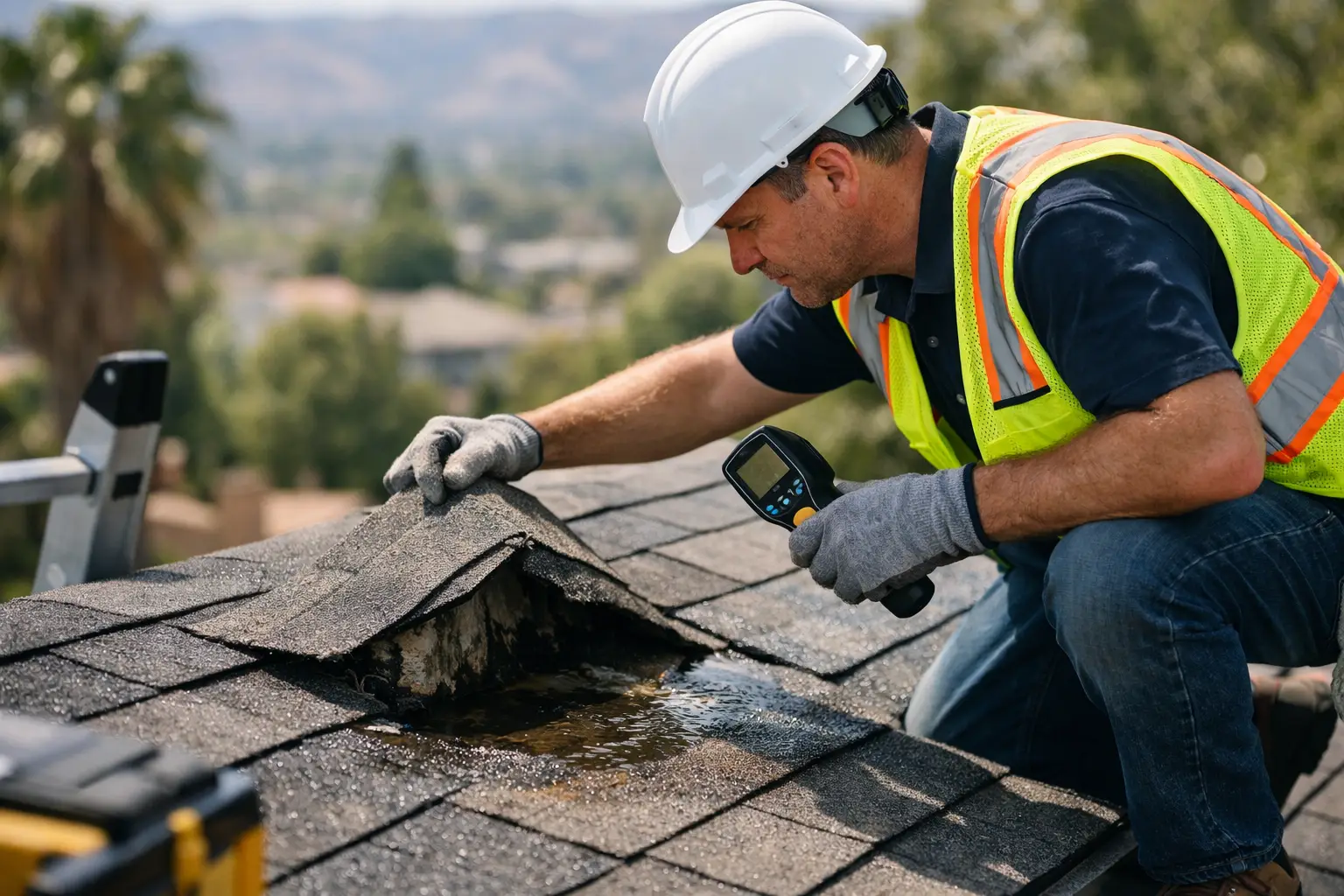

A roof claim usually starts with stress, not paperwork. You notice water stains, missing shingles, a fallen branch, or granules collecting in the gutters, and suddenly the question is not just how bad the damage is – it is whether your insurance will actually cover it. The roof insurance claim process can feel opaque if you have never been through it before, but it becomes much easier when you know what insurers are evaluating and where costly mistakes tend to happen.
For homeowners and property owners, the real issue is not only getting a check. It is protecting the building, documenting the loss correctly, and making sure the scope of work reflects what the roof actually needs. A rushed filing, weak documentation, or an incomplete inspection can leave you with a partial payout and a roof that still has unresolved problems.
How the roof insurance claim process usually works
Most roof claims follow a similar sequence, even though policy terms and insurer procedures vary. First, the damage is discovered. Then the property owner documents what is visible, reports the loss to the carrier, and schedules an inspection. After that, the insurer decides whether the damage is covered, estimates the scope, and issues payment based on policy terms, deductibles, depreciation, and any supplemental approvals.
That sounds straightforward on paper. In practice, each step affects the next one. If the initial evidence is weak, the adjuster may miss the full extent of the damage. If temporary protection is delayed, the carrier may question whether later water intrusion was avoidable. If the repair estimate is incomplete, the approved funds may not match the actual cost to restore the roof system properly.
What insurance companies are really looking for
Insurance does not cover every roof problem. In general, carriers are looking for sudden, accidental, and covered causes of loss. Wind damage, hail damage, falling debris, and certain storm-related events often qualify. Old age, deferred maintenance, installation defects, and long-term wear usually do not.
This is where many claims become difficult. A roof can have storm damage and age-related deterioration at the same time. An insurer may agree that a recent weather event occurred but still argue that some or most of the roof condition was pre-existing. That is why a careful inspection matters. The conversation is rarely just, “Is the roof damaged?” It is, “What caused this damage, when did it happen, and what portion is covered under the policy?”
If your roof is older, expect closer scrutiny. Older materials are more vulnerable, and insurers often examine whether brittle shingles, prior patching, or years of exposure contributed to the failure. That does not mean an older roof cannot qualify for coverage. It means the documentation has to be stronger.
Step 1: Protect the property and document the damage
Before anything else, prevent additional damage if it is safe to do so. That may mean tarping an exposed section, moving valuables away from active leaks, or arranging emergency service. Insurance policies generally require policyholders to take reasonable steps to protect the property after a loss.
At the same time, document what you can see. Take photos of exterior damage, interior staining, fallen branches, damaged gutters, and any debris from the roof. Make note of the date, weather event, and when the issue was first discovered. If neighbors on your block experienced the same storm, that can support the timeline, though the claim will still be judged on your own property conditions.
Save receipts for emergency mitigation. Those costs may be reimbursable, depending on the policy and the circumstances.
Step 2: Get a professional roof inspection before assumptions set in
A visible leak is not the same thing as a complete damage assessment. Water can travel. Wind can loosen flashing without tearing it off completely. Hail can bruise certain materials in ways a property owner would not recognize from the ground.
A qualified roofing contractor can identify system-level issues that matter during a claim, including compromised underlayment, lifted shingles, damaged vents, broken tile, punctures on flat roofing membranes, and flashing failures around penetrations. This is especially important on more complex systems where slope transitions, valleys, skylights, parapets, and drainage details affect the repair scope.
A strong inspection does not guarantee approval, but it gives you a defensible starting point. It also helps you avoid filing weak claims based on guesswork. That matters because repeated claim activity can affect your insurance history, even when the claim does not result in a large payment.
Step 3: File the claim promptly and accurately
Once there is a reasonable basis for a claim, notify your insurer. Be clear, factual, and specific. Report the date of loss if known, the type of event, and the visible effects on the property. Avoid exaggeration. Overstating damage creates credibility problems quickly.
Your carrier will usually assign a claim number and schedule an adjuster inspection. Some insurers use staff adjusters, while others use independent adjusters. Either way, their job is to evaluate the cause, extent, and estimated cost of covered damage under the policy.
Prompt filing matters. Waiting too long can make it harder to tie the damage to a specific event, especially if the roof is exposed to additional weather after the initial incident.
Step 4: Meet the adjuster with facts, not pressure
The adjuster visit is one of the most important moments in the roof insurance claim process. This is where the carrier gathers firsthand evidence and builds the estimate that may shape your payout.
If possible, have your roofing contractor present during the inspection. A contractor who understands storm damage can point out issues the adjuster may otherwise overlook, such as creased shingles, compromised seams, detached flashing, fractured tile, or damage to accessories that affect the roof system as a whole. That is not about confrontation. It is about accuracy.
A disciplined contractor will keep the discussion focused on observable conditions, code-related requirements, and repairability. If a small area is damaged but matching materials are unavailable, that can affect whether a partial repair is realistic. If local code requires upgrades when a certain percentage of the roof is replaced, that may also influence the final scope.
Why approved amounts and actual costs often differ
Many property owners are surprised when the insurer’s first estimate is lower than the contractor’s proposal. That gap is common, and it is not always a sign of bad faith. Sometimes the adjuster did not see the full extent of damage during the initial inspection. Sometimes pricing software lags behind real market conditions. Sometimes essential components were omitted from the original scope.
This is where supplements come in. A supplement is a request for additional funds based on documented items that were not included or not fully accounted for in the carrier’s estimate. Examples may include code-required components, tear-off quantities, underlayment, flashing replacement, ventilation adjustments, steep-charge labor, or hidden damage found once work begins.
Well-supported supplements are part of a legitimate claims process. The key is documentation, photos, measurements, and a clear explanation of why the added work is necessary.
Replacement cost, actual cash value, and deductibles
Not every policy pays the same way. Some policies pay replacement cost value, while others pay actual cash value. Replacement cost policies generally pay what it costs to replace covered damage, subject to policy terms, though depreciation may be withheld initially and released later. Actual cash value policies reduce the payout based on age and condition, which can leave the owner paying much more out of pocket.
You also have to account for the deductible. That amount is your responsibility. If your area has wind or hail deductibles based on a percentage of insured value, the out-of-pocket portion can be more significant than expected.
This is one reason transparency matters so much. A serious roofing contractor should help you understand the approved scope and payment structure without making reckless promises about what insurance will do.
Common reasons roof claims get delayed or denied
The most common issues are late reporting, poor documentation, signs of long-term neglect, and disputes over cause of loss. Carriers may also push back when damage appears repairable rather than replacement-worthy, or when the roof has prior issues unrelated to the reported event.
In some cases, the denial is not final in a practical sense. Additional evidence, a contractor’s inspection findings, or a supplemental review can change the outcome. But it depends on the facts. Not every denied claim should be fought, and not every approved claim covers the full restoration needed.
That is why accountability matters on the contractor side. At Titanium Roof Innovations, the standard is not to chase inflated numbers. It is to document the roof honestly, explain what the system requires, and support property owners with clear scope, disciplined communication, and workmanship built to protect the asset long after the claim is closed.
What property owners should do next
If you suspect storm damage, do not wait for a leak to spread before getting answers. Start with a professional inspection, gather clear documentation, and read the claim decision carefully. The strongest outcomes usually come from a calm, well-supported process rather than a rushed one.
A roof claim is about more than coverage. It is a decision point for the long-term performance of your property. Handle it with precision, and you give yourself a better chance of restoring the roof the right way the first time.