A roof rarely fails all at once. More often, the warning signs start small: a few granules in the gutter, a curled shingle near the ridge, a water stain that appears after a hard rain. Knowing when to replace asphalt shingles gives you time to make a controlled, well-informed decision instead of reacting to a leak that has already reached the framing, insulation, or interior finishes.
For Bay Area property owners, timing matters. Intense summer sun, wind exposure, seasonal rain, and overlooked repairs can shorten the useful life of a shingle roof. The right replacement decision protects the structure beneath your roof, preserves curb appeal, and helps prevent emergency costs that can be far greater than a planned project.
When to Replace Asphalt Shingles Instead of Repairing Them
Asphalt shingle roofs do not have one universal expiration date. A well-installed architectural shingle roof may last roughly 20 to 30 years, while basic three-tab shingles often have a shorter service life. Material quality, ventilation, roof slope, installation workmanship, and ongoing maintenance all influence the outcome.
Age alone should not make the decision. A 16-year-old roof with isolated wind damage may be a sound candidate for repair. On the other hand, a 12-year-old roof with widespread blistering, missing granules, poor attic ventilation, and recurring leaks may be nearing replacement much sooner than expected.
Replacement is usually the stronger investment when problems are distributed across several roof areas, repairs have become repetitive, or the roof system is no longer protecting the deck reliably. Patching individual shingles can stop a localized issue, but it cannot restore shingles that have become brittle across the entire roof field.
A professional assessment should distinguish between a repairable defect and system-wide aging. That distinction matters because a roof is more than its visible shingles. Underlayment, flashing, penetrations, ventilation, drip edge, valleys, and gutters must work together to direct water away from the property.
The Warning Signs of an Aging Shingle Roof
Curling, Cracking, or Buckling Shingles
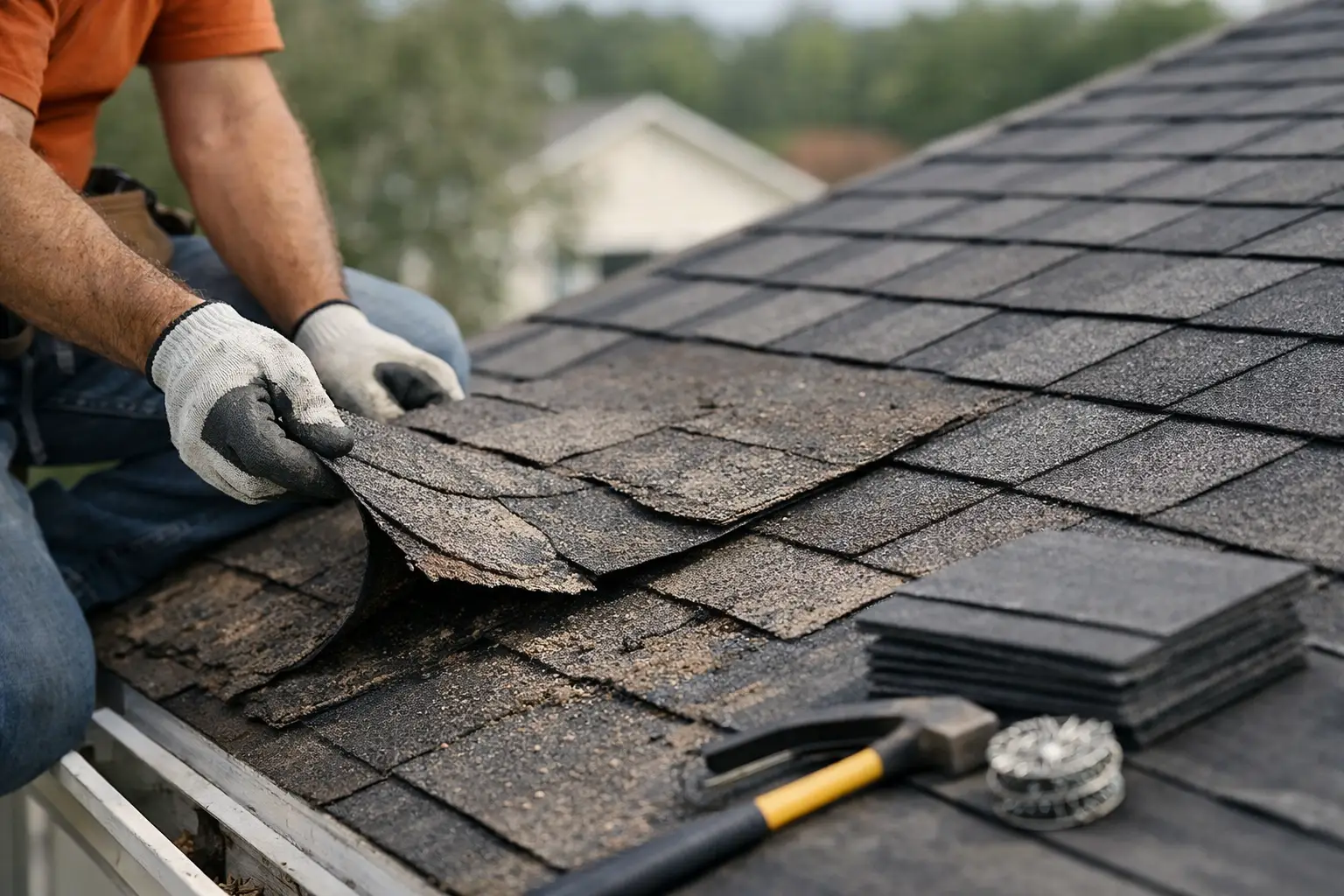
Shingles that curl at the edges, crack through the surface, or lift away from the roof are losing their ability to shed water effectively. Some minor lifting after a wind event can be repaired. Widespread curling or cracking, however, often signals that the shingles have dried out and are approaching the end of their practical life.
Buckling can point to a separate concern. It may result from installation issues, inadequate ventilation, moisture movement in the roof deck, or poorly installed underlayment. The visible symptom deserves investigation before anyone recommends a simple shingle replacement.
Granules in Gutters and Downspouts
Asphalt shingles use mineral granules to protect the asphalt layer from ultraviolet exposure and weathering. A small amount of granule loss is normal, especially on a newer roof. Heavy accumulation in gutters or bare, dark patches on shingles are not.
Once granule loss becomes widespread, the shingles can age rapidly under direct sunlight. This is particularly relevant on south- and west-facing roof slopes that receive prolonged afternoon heat. Granule loss does not always mean a roof is leaking today, but it is a clear reason to schedule an inspection before the roof reaches a critical point.
Missing Shingles or Exposed Nail Heads
A missing shingle is an opening in the roof’s first line of defense. If the damage is limited and matching materials are available, a targeted repair may be appropriate. But repeated losses after wind, exposed nail heads in multiple locations, or deteriorated seal strips can indicate that the roof is no longer holding together as a system.
Color matching also becomes difficult as shingles age. A repair may be structurally sound but visibly noticeable. For homeowners preparing to sell or protecting a high-value property, that aesthetic trade-off may influence the decision.
Water Stains, Attic Moisture, and Recurring Leaks
A ceiling stain is not always directly beneath the roof leak. Water can travel along decking, framing, or insulation before it becomes visible inside. By the time staining appears, moisture may already have affected materials that are expensive to repair.
Check the attic after heavy rain if it is safely accessible. Damp insulation, darkened roof decking, mold-like growth, rusty fasteners, or a musty odor deserve prompt attention. A single flashing failure can often be repaired. Multiple leak points or evidence of long-term moisture intrusion may justify full replacement and deck repairs.
Moss, Algae, and Uneven Roof Appearance
Dark streaks from algae are primarily an appearance concern, though they can retain moisture in some conditions. Moss is more serious because it can lift shingles and hold water against the roof surface. Cleaning must be done carefully. Aggressive pressure washing can strip granules and shorten a roof’s life.
An uneven roofline, sagging areas, or soft spots are not cosmetic issues. They can point to deteriorated decking or structural concerns. These conditions require a qualified roofing contractor to evaluate the roof before replacement materials are selected.
Age Matters, but Roof Performance Matters More
Property owners often ask whether they should replace a roof before it leaks. In many cases, the answer is yes. A planned replacement gives you control over material selection, scheduling, budget, and any necessary upgrades to ventilation or flashing. Waiting until active water intrusion occurs can add emergency repairs, interior restoration, and potential mold remediation to the scope.
That said, premature replacement is not automatically the right choice. If the shingles remain flexible, granule coverage is strong, flashings are intact, and the roof has no recurring leak history, maintenance and focused repairs may extend service life responsibly. A trustworthy recommendation should explain why repair or replacement is appropriate, not use age as a shortcut.
For commercial owners and property managers, the same principle applies. Repairing a localized issue may be economical when the roof has substantial remaining life. When maintenance records show repeated failures, tenant disruption, or growing moisture risk, a replacement plan can be the more predictable financial decision.
What a Proper Replacement Assessment Should Include
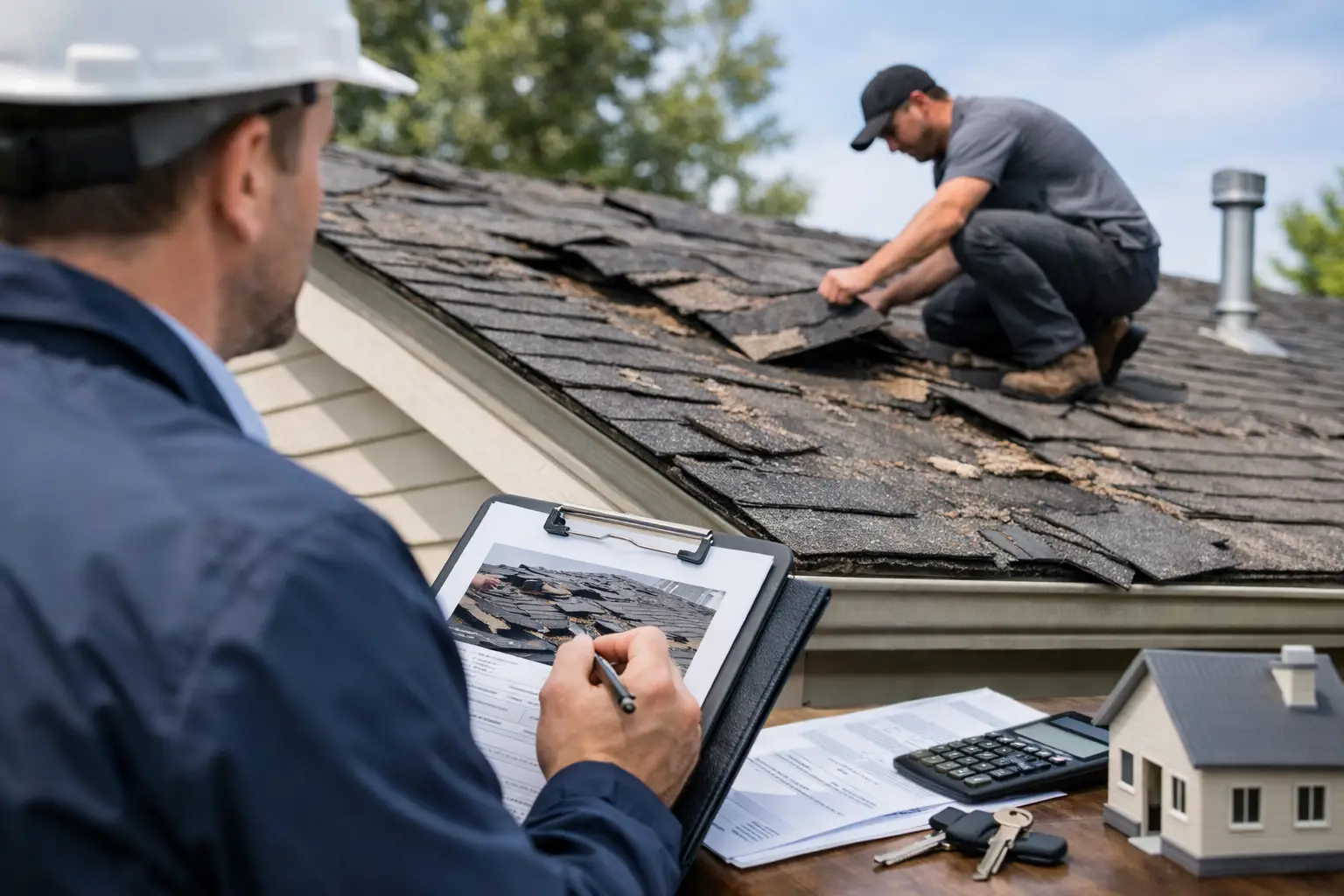
A reliable roof evaluation should not be limited to looking at shingles from the ground. The assessment should consider the roof’s age and visible wear, but also the condition of valleys, pipe flashings, chimney flashing, skylights, ridge ventilation, roof-to-wall transitions, and gutters.
The contractor should also examine whether the attic has balanced intake and exhaust ventilation. Excess heat and trapped moisture can age asphalt shingles from below, contributing to curling, cracking, and deck deterioration. Replacing shingles without correcting ventilation can leave the underlying cause unresolved.
If replacement is recommended, ask for a clear explanation of the full system. Premium results depend on more than the shingle brand. Proper tear-off or overlay decisions, deck repairs, underlayment, starter shingles, flashing details, ridge components, and jobsite protection all affect long-term performance.
Choosing the Right Time for Roof Replacement
Roof replacement can be performed in many weather conditions when the forecast and installation practices allow, but dry, stable weather is generally preferred. Do not wait for the ideal season if water is entering the building. Active leaks require immediate mitigation, even if permanent replacement must be scheduled around weather.
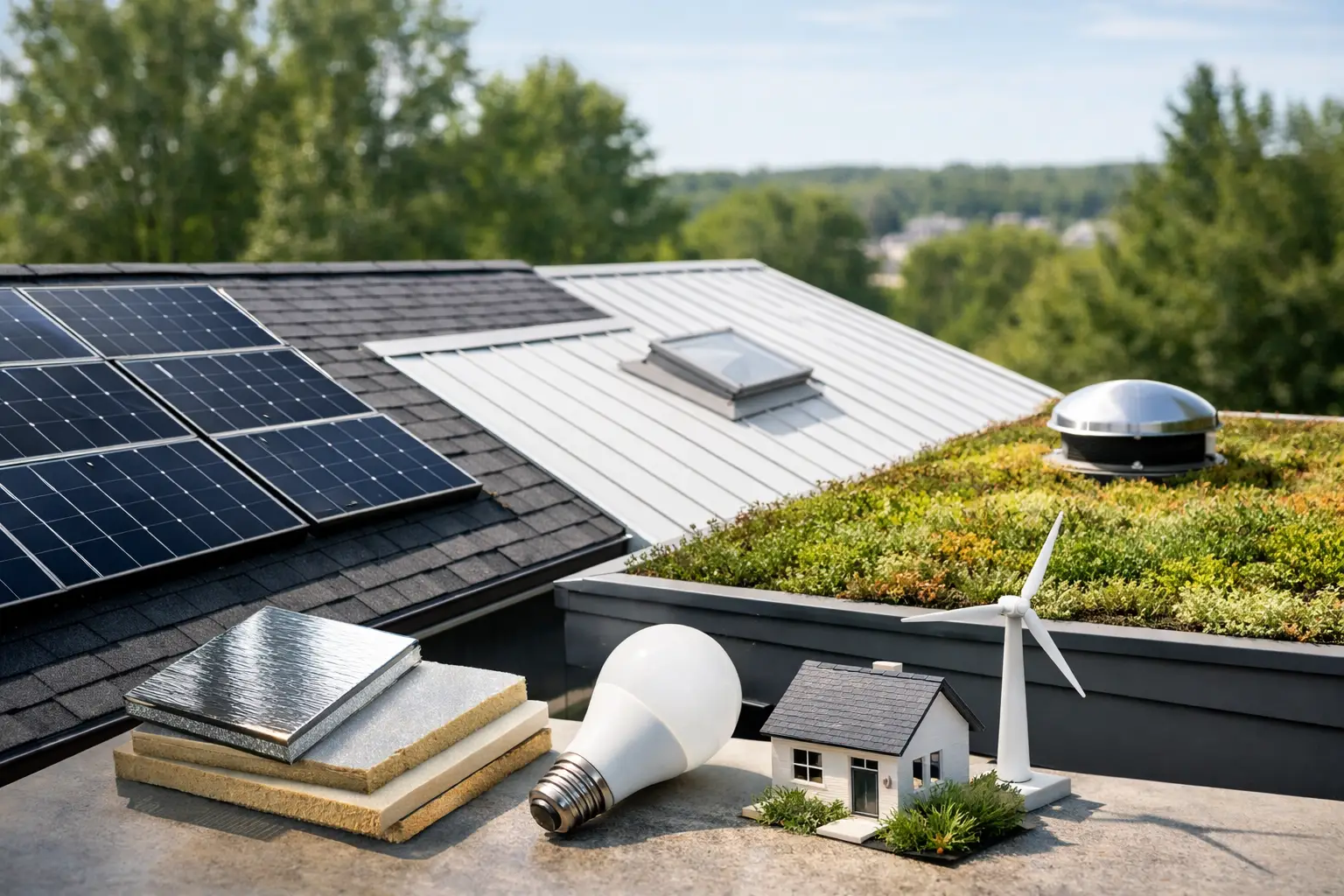
A planned project is especially valuable before a home sale, major remodel, solar installation, or rainy season. Replacing a compromised roof before adding solar panels can avoid the cost and disruption of removing and reinstalling the system later. Likewise, addressing the roof before interior renovation helps protect new finishes from an aging exterior envelope.
In San Jose and across the Bay Area, a pre-rainy-season inspection is a practical habit. It gives property owners time to address loose shingles, blocked gutters, failing flashings, and early signs of deterioration before storms expose a larger problem.
Protect the Asset Before Damage Spreads
The best time to replace asphalt shingles is when the roof has clearly entered widespread decline, but before water damage turns a roofing project into a structural and interior repair project. A detailed inspection brings certainty to that decision, identifying whether your roof needs a focused repair, maintenance work, or a complete system replacement.
Titanium Roof Innovations approaches that decision with transparent estimating, premium materials, and the disciplined craftsmanship required to protect your most valuable asset. If your roof is showing its age, a professional assessment now can preserve your options and prevent the next storm from making the decision for you.