A roof can fail from above, but it often wears out from below. That is why homeowners asking does attic insulation help roof life are asking the right question. The answer is yes, in many cases it does – not by magically strengthening shingles or tile, but by controlling the heat and moisture conditions that age a roofing system faster than it should.
Most property owners think of insulation as an energy-efficiency upgrade. It is that, but it is also part of a roof protection strategy. When the attic is under-insulated or unevenly insulated, the roof deck and roofing materials can be exposed to wider temperature swings, trapped moisture, and unnecessary stress over time. A premium roof system performs best when the entire assembly works together.
Does attic insulation help roof life in real-world conditions?
Yes, but with an important qualifier: insulation helps roof life when it is paired with proper attic ventilation, solid installation practices, and a roofing system that matches the structure. Insulation alone does not solve every problem. If the attic cannot release moisture or excess heat, adding more insulation without addressing airflow can create a different set of issues.
Still, in well-designed roof systems, attic insulation plays a meaningful role. It helps stabilize the attic environment, which reduces the extreme conditions that can shorten the life of underlayment, decking, fasteners, and roofing materials. In practical terms, that can mean less thermal stress, fewer moisture-related problems, and more consistent long-term roof performance.
Why roof lifespan is affected by what happens in the attic
Your roof is not just the outer surface you can see from the street. It is a system made up of shingles, tile, metal panels, membranes, flashing, underlayment, decking, ventilation pathways, and the attic space below. If the attic becomes excessively hot or damp, those conditions can work against the materials above it.
In hot weather, a poorly insulated attic allows more heat to move from the living space into the attic. That added heat builds up under the roof deck. Roofing materials are already absorbing solar radiation from the outside, so when they also face elevated temperatures from below, the total heat load increases. Over time, repeated expansion and contraction can contribute to faster material fatigue.
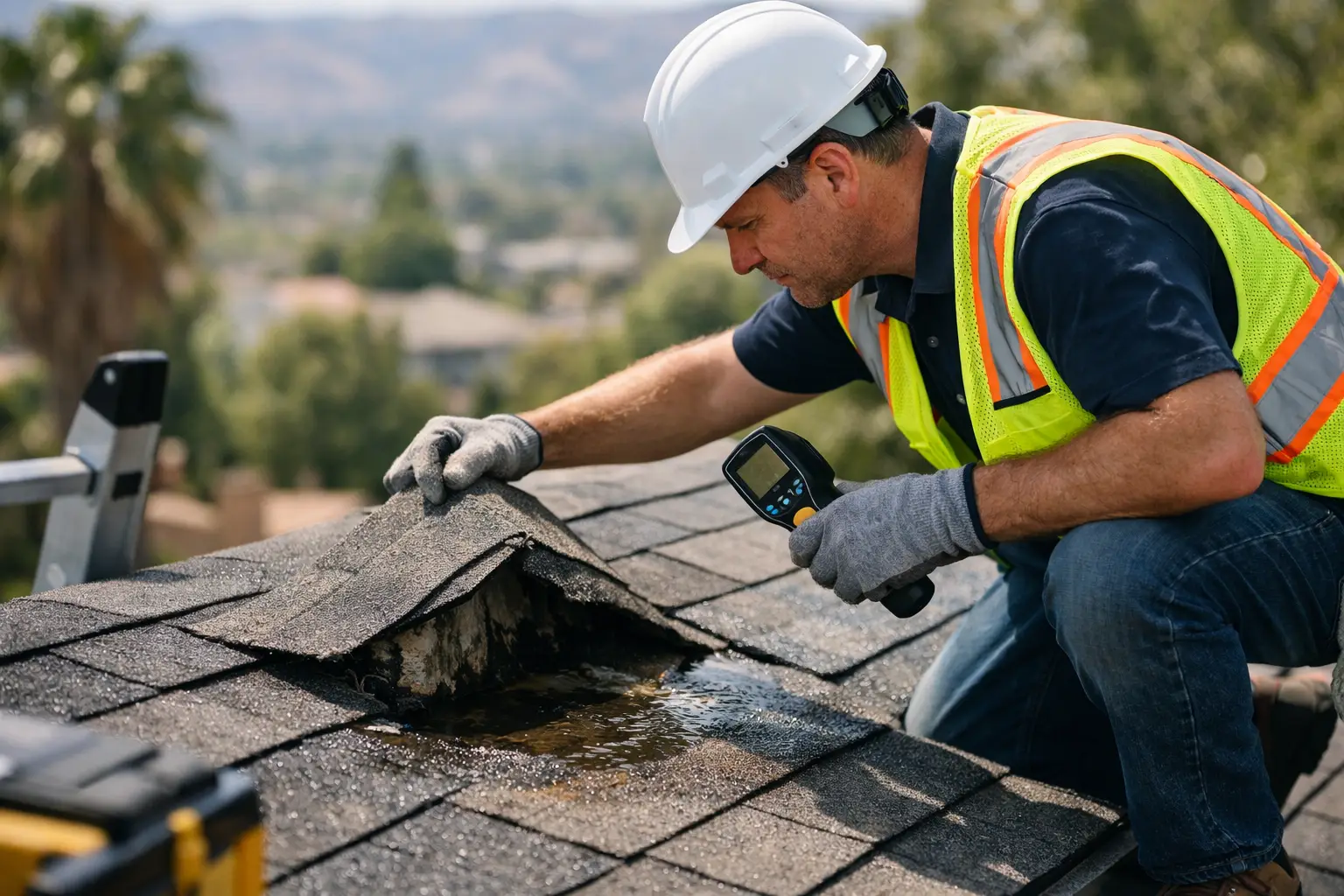
Moisture is just as serious. Warm indoor air naturally rises. If that air reaches the attic and meets cooler surfaces, condensation can form. Over time, trapped moisture may affect roof decking, promote mold growth, reduce insulation performance, and weaken parts of the roof assembly. The result is not always an immediate leak. More often, it is a gradual decline that turns a long-life roof into an early replacement.
Heat control is one of insulation’s biggest advantages
Roofing materials age under stress. High attic temperatures increase that stress.
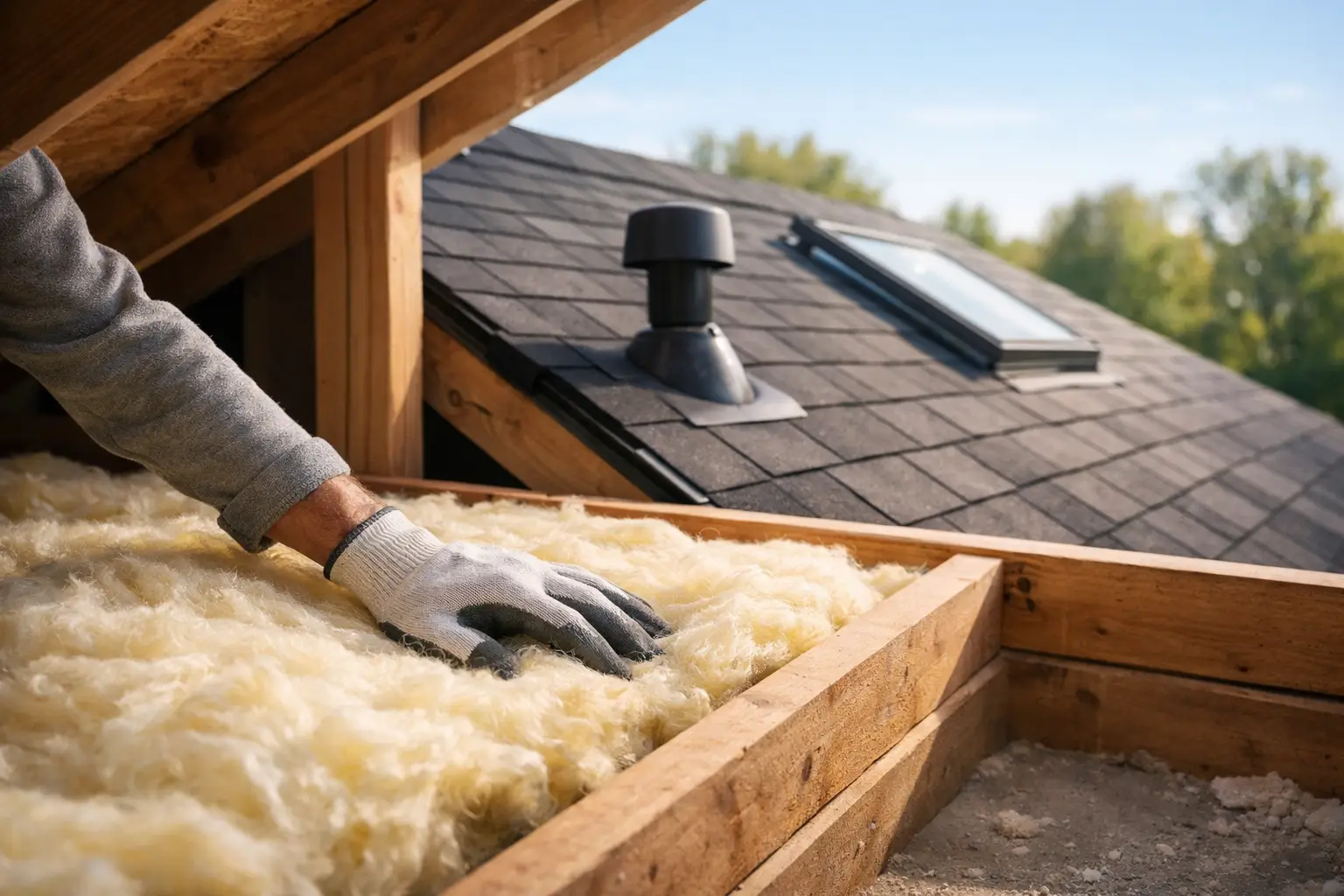
When insulation is installed correctly at the attic floor or along the roofline, depending on the design, it slows heat transfer from the conditioned interior into the attic. That matters most during long hot stretches, when attic temperatures can rise dramatically. Less heat moving upward means a more controlled environment beneath the roof deck.
This does not mean insulation keeps shingles cool to the touch or reverses sun exposure. The sun still drives much of the roof’s temperature. But lowering the heat pressure from below helps reduce extreme swings and unnecessary thermal buildup in the overall assembly. In the Bay Area, where microclimates can shift quickly between warm inland conditions and cooler coastal influence, that temperature moderation can support more stable roof performance over time.
Moisture control is where insulation protects the hidden structure
A roof often looks fine from the outside while moisture damage develops inside the attic. That is one reason insulation matters beyond utility bills.
When attic insulation is thin, compressed, poorly distributed, or missing in key areas, indoor heat and moisture can move upward too easily. If the attic also has air leaks around recessed lights, plumbing penetrations, duct chases, or top plates, warm moist air can collect where it should not. Once condensation begins, roof decking and framing can stay damp longer than intended.
Over time, that can lead to wood deterioration, rusted fasteners, staining, microbial growth, and reduced structural reliability in the roof assembly. Good insulation helps limit that upward movement. Even better results come when insulation is combined with air sealing and balanced ventilation, because moisture control works best as a coordinated system.
Insulation and ventilation need each other
This is where many roofing conversations go wrong. People ask whether they need more insulation or better ventilation, when the real answer is often both.
Insulation slows heat transfer. Ventilation helps remove excess heat and moisture from the attic. If one is missing, the other has to work harder. An attic with strong ventilation but poor insulation can still overheat from interior heat gain. An attic with heavy insulation but weak ventilation can trap unwanted moisture and stagnant air.
That is why experienced roofing contractors evaluate the full roof assembly instead of treating insulation like a stand-alone fix. Ridge vents, intake vents, baffles, attic design, duct placement, and roof geometry all influence how well insulation will support roof life. The Titanium Standard is not about isolated upgrades. It is about building a system that protects the property as a whole.
Does more insulation always mean a longer-lasting roof?
Not automatically. More is not always better if the installation is incorrect.
For example, insulation that blocks soffit vents can interfere with needed airflow. Insulation installed over existing moisture problems can hide warning signs instead of solving them. Uneven coverage can leave hot spots and cold spots that still create condensation risk. And in some roof assemblies, especially in older homes or buildings with prior modifications, the right solution may involve insulation upgrades plus ventilation corrections, roof repairs, or both.
The quality of the install matters just as much as the insulation level. Gaps, compression, poor air sealing, and mismatched materials can reduce performance quickly. A roof protection plan should be based on inspection, not guesswork.
Roofing material also changes the equation
Different roofing systems respond to attic conditions in different ways. Asphalt shingle roofs are especially sensitive to heat buildup and long-term thermal cycling. Tile roofs can offer durability and airflow advantages, but the underlayment and deck beneath still need protection from trapped moisture and excessive heat. Metal roofing reflects heat well, yet the attic assembly still matters for condensation control and indoor energy performance. Flat and low-slope systems have their own insulation strategies, often tied to the roof deck and membrane design rather than a traditional attic floor.
That means the question is not just does attic insulation help roof life, but which roof system are you protecting and how is that system built. The right answer depends on the structure, not a one-size-fits-all rule.
Signs your attic may be shortening your roof’s life
You do not need to wait for major damage to take this seriously. If rooms are hard to keep comfortable, cooling costs are climbing, insulation looks thin or patchy, or the attic feels excessively hot and stale, the roof system may be under more stress than it should be. Water staining on rafters or decking, visible condensation, musty odors, or rusted nails are stronger warning signs.
A roof that appears to age unevenly can also point to attic-related issues. Curling shingles, premature granule loss, and recurring repair needs are not always caused by insulation problems, but the attic should be part of the investigation.
The smartest way to protect roof life
If your goal is long-term performance, treat insulation as one part of a larger protection plan. Start with a professional assessment of the roof, attic, ventilation, and moisture conditions. From there, the right scope becomes clearer. Some homes need targeted insulation upgrades. Others need airflow corrections, leak repair, or a full roof replacement designed around proper thermal performance from the start.
The best results come from looking at the house as an integrated system. That is how you protect curb appeal, interior comfort, energy efficiency, and the lifespan of the roof itself.
A roof is a major asset, and its durability is shaped by details most people never see. If your attic is working against your roof, the damage builds quietly. If it is designed and insulated correctly, it helps the entire system perform the way it was meant to – with less stress, fewer surprises, and stronger protection year after year.